Salisbury Historic District (Boundary Increase II)

Why it's listed
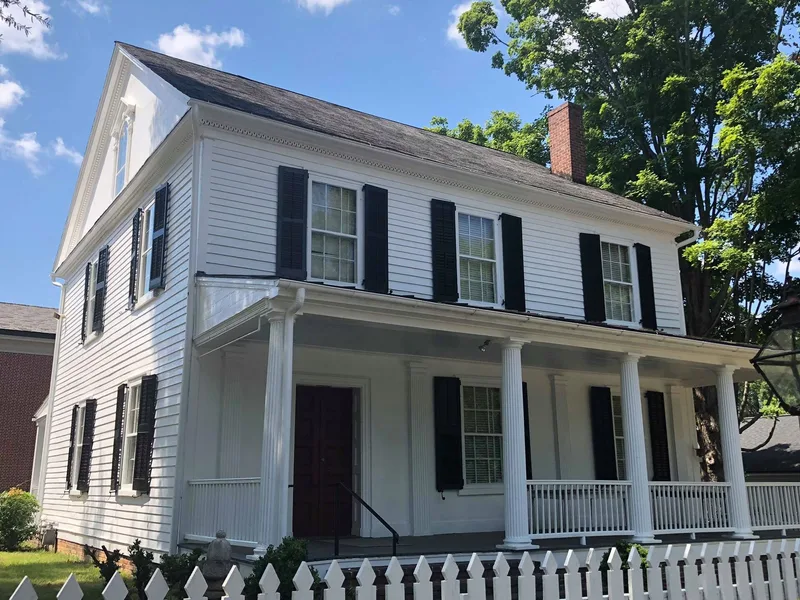
Residential streets south and west of downtown Salisbury hold a mix of houses built between the late 1870s and the 1940s, forming an extension to the Salisbury Historic District. The area developed slowly at first, with seven houses built by 1899 and the Heilig family holding much of the central land until the 1920s. Growth accelerated in the 1900s and 1910s, when bungalows and four-squares went up along W. Thomas and S. Fulton streets, and it peaked in the 1920s, when thirty-six houses were built. Prominent figures including James Samuel McCubbins, Herman Heilig and Walter F. McCanless commissioned houses here. Styles range from frame Victorian dwellings and craftsman bungalows to brick Colonial Revival houses from the 1930s. The extension also includes the 1910 S.H. Kress Building and the ca. 1925 Star Laundry Building downtown. The district is significant for its architectural variety and for its role in the city's early twentieth-century residential expansion.
Machine-generated summary. This summary was generated by a language model from the official nomination document and has not been reviewed line by line by an editor. It may contain errors. Check the source document before relying on any detail. Source: nomination document (PDF) · catalog entry. Generated October 2026 (model claude-haiku-5-5, prompt v1.1-2026-10-29).
| Period of significance | 1879-1940 |
|---|---|
| Styles | Colonial Revival; Bungalow/Craftsman; Foursquare; Vernacular Victorian |
| Areas of significance | Community Planning and Development, Architecture |
| Acreage | 40 |
| Boundary source | NPS cultural-resource GIS polygon |
| Full listing page | Salisbury Historic District (Boundary Increase II) (property record) |
What listing means for this property
This is a historic district. Buildings within its boundary are either contributing (they add to the district's significance) or non-contributing. Owners of contributing income-producing buildings can claim the 20% federal rehabilitation tax credit; homeowners should look at state credits. National Register districts impose no design review by themselves; a local historic district ordinance, if one exists, does (the difference explained).
General information, not legal or tax advice. Rules change; confirm with your State Historic Preservation Office or a qualified adviser.