Pine Gables

The National Park Service has not published a boundary polygon for this district; the map shows the listed properties inside it and the district's reference point.
Why it's listed
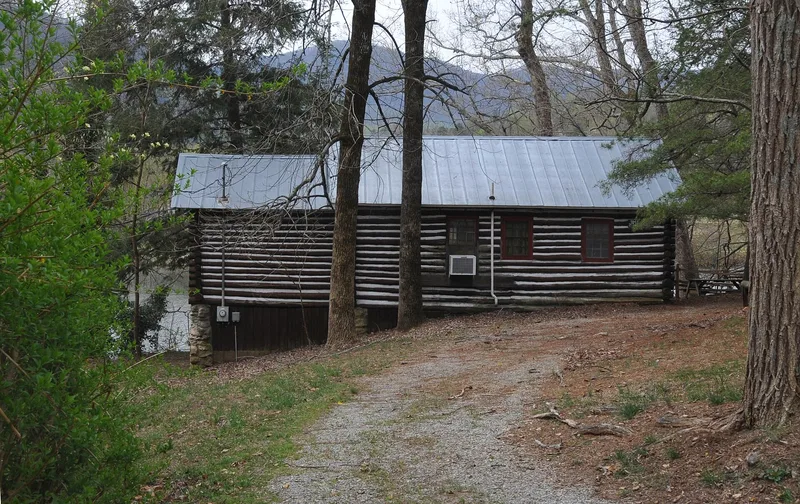
Pine Gables is an inn complex on Boys Camp Road in Lake Lure, Rutherford County, North Carolina. Its core is a two-and-one-half story frame building that encloses two log structures, the earlier of which dates to about 1800. Dr. John Harris is credited with building at least one of these log buildings. The inn was weatherboarded in about 1834, given a second story and raised roof in about 1877, and remodeled in 1924. It sat on the toll road through Hickory Nut Gorge, serving stagecoach travelers, drovers and tourists. Its guests included writers, and a post office was established there in 1843. Judge George Washington Logan owned the inn from 1866 and ran it as the Logan House. Later it became a Civilian Conservation Corps headquarters and a children's camp. The property is significant for its long role in regional travel and for its rare saddlebag form, which was adapted over time to serve visitors.
Machine-generated summary. This summary was generated by a language model from the official nomination document and has not been reviewed line by line by an editor. It may contain errors. Check the source document before relying on any detail. Source: nomination document (PDF) · catalog entry. Generated October 2026 (model claude-haiku-5-5, prompt v1.1-2026-10-29).
| Period of significance | CA 1800 1949 |
|---|---|
| Styles | Late Victorian; other: simplified Queen Anne |
| Areas of significance | Social History, Architecture |
| Acreage | 9.3 |
| Boundary source | not published |
| Full listing page | Pine Gables (property record) |
What listing means for this property
This is a historic district. Buildings within its boundary are either contributing (they add to the district's significance) or non-contributing. Owners of contributing income-producing buildings can claim the 20% federal rehabilitation tax credit; homeowners should look at state credits. National Register districts impose no design review by themselves; a local historic district ordinance, if one exists, does (the difference explained).
General information, not legal or tax advice. Rules change; confirm with your State Historic Preservation Office or a qualified adviser.