Penland School Historic District

Why it's listed
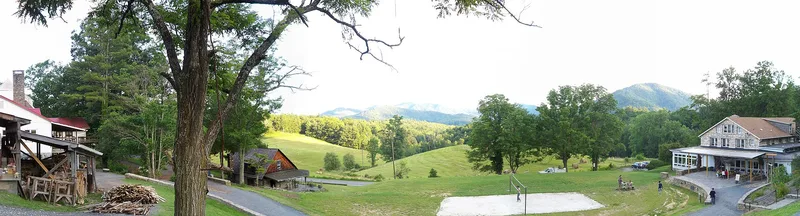
Penland School Historic District is a cluster of buildings around an open meadow on the campus of the Penland School of Crafts in Mitchell County, North Carolina. The buildings range from nineteenth-century log barns and frame farmhouses to Rustic Revival log buildings and Colonial Revival school buildings. The school grew out of the Seven Springs Baptist Industrial School, founded in 1905 by brothers Bill and Wesley Connolly, which the Episcopal Diocese later acquired as the Appalachian Industrial School in 1909. Lucy Morgan arrived in 1920 and developed a community weaving program that became the Penland Weavers and Potters, later the basis of the school incorporated in 1938. Its significance lies in its part in the handicraft revival in southern Appalachia, in Morgan's work there, and in its collection of buildings that reflect local log and frame traditions. The district contains thirty-five contributing and seventeen non-contributing resources.
Machine-generated summary. This summary was generated by a language model from the official nomination document and has not been reviewed line by line by an editor. It may contain errors. Check the source document before relying on any detail. Source: nomination document (PDF) · catalog entry. Generated October 2026 (model claude-haiku-5-5, prompt v1.1-2026-10-29).
| Period of significance | 1905-1953 |
|---|---|
| Styles | Bungalow/Craftsman; Colonial Revival; Rustic Revival |
| Areas of significance | Other, Architecture, Education |
| Acreage | 115 |
| Boundary source | NPS cultural-resource GIS polygon |
| Full listing page | Penland School Historic District (property record) |
What listing means for this property
This is a historic district. Buildings within its boundary are either contributing (they add to the district's significance) or non-contributing. Owners of contributing income-producing buildings can claim the 20% federal rehabilitation tax credit; homeowners should look at state credits. National Register districts impose no design review by themselves; a local historic district ordinance, if one exists, does (the difference explained).
General information, not legal or tax advice. Rules change; confirm with your State Historic Preservation Office or a qualified adviser.