North Long Street-Park Avenue Historic District

Why it's listed
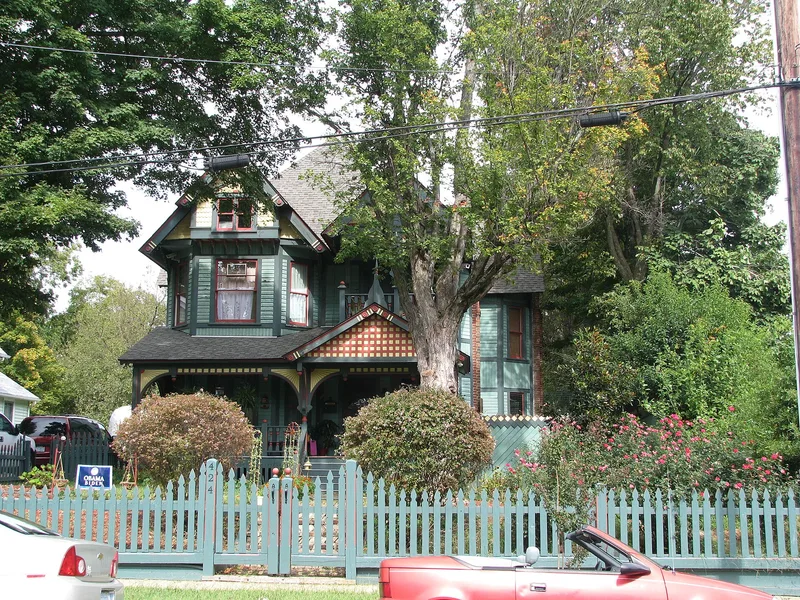
Frame houses lining the 400 and 500 blocks of N. Long Street and the 400 to 600 blocks of Park Avenue in east Salisbury make up this residential district, built mostly between 1891 and the mid-1920s. The Central Land Company, organized by local businessmen including John S. Henderson, Napoleon Bonaparte McCanless and J. Samuel McCubbins, bought about 255 acres from Edwin Shaver in 1891 and began selling lots. Early houses along Park Avenue were large and elaborate, while later houses were smaller rental and middle-income homes for clerks, salesmen and railroad workers. The growth followed the Kesler Manufacturing Company mill of 1895 and Southern Railway's repair shops at nearby Spencer. The district is significant for its mix of late Victorian, turn-of-the-century and Bungalow domestic architecture, and for documenting how a prosperous neighborhood became a socially mixed one.
Machine-generated summary. This summary was generated by a language model from the official nomination document and has not been reviewed line by line by an editor. It may contain errors. Check the source document before relying on any detail. Source: nomination document (PDF) · catalog entry. Generated October 2026 (model claude-haiku-5-5, prompt v1.1-2026-10-29).
| Period of significance | 1891-1926 |
|---|---|
| Styles | Late Victorian; modest turn-of-the-century; Bungalow |
| Areas of significance | Commerce, Architecture |
| Acreage | 10 |
| Boundary source | NPS cultural-resource GIS polygon |
| Full listing page | North Long Street-Park Avenue Historic District (property record) |
What listing means for this property
This is a historic district. Buildings within its boundary are either contributing (they add to the district's significance) or non-contributing. Owners of contributing income-producing buildings can claim the 20% federal rehabilitation tax credit; homeowners should look at state credits. National Register districts impose no design review by themselves; a local historic district ordinance, if one exists, does (the difference explained).
General information, not legal or tax advice. Rules change; confirm with your State Historic Preservation Office or a qualified adviser.