Morganton Downtown Historic District

Why it's listed
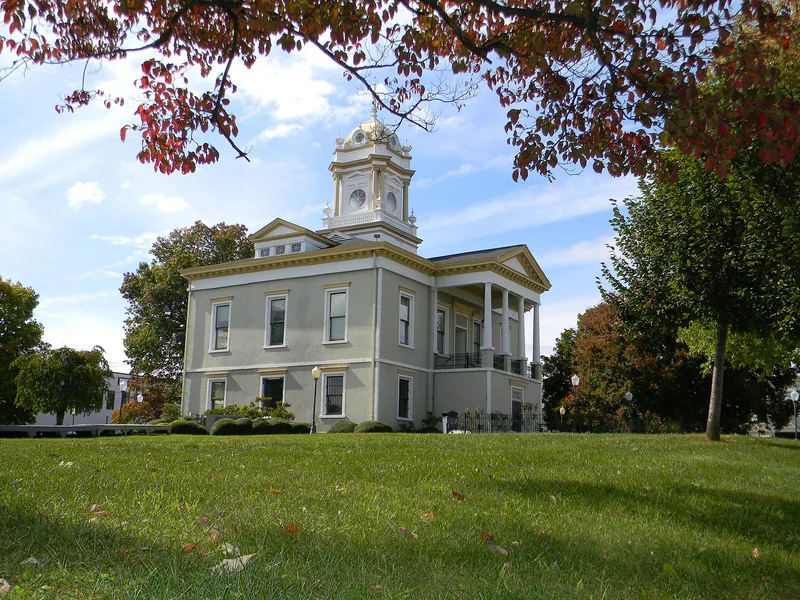
Morganton's downtown core is a compact district of about seventy-one properties clustered around the public square and along Union, Sterling and Green streets. Most buildings date from ca. 1889 to ca. 1940. A fire in December 1893 destroyed the frame buildings on West Union and Sterling streets, and a city ordinance requiring brick shaped the rebuilding, so the 100 block of West Union still holds ornamented Italianate-influenced storefronts from about 1894. Later additions include Neo-Classical and Art Deco buildings, several designed by Wilson architect Charles Benton, along with the Alva and Mimosa theaters. The district also contains the Old Burke County Courthouse, in use from 1837 to 1976 and renovated in 1903, plus a post office and community house built by the WPA. Street levels have mostly been altered, but the upper stories and overall scale remain. The district was recognized for its commercial history, architecture, government associations and the surviving portion of the original town grid.
Machine-generated summary. This summary was generated by a language model from the official nomination document and has not been reviewed line by line by an editor. It may contain errors. Check the source document before relying on any detail. Source: nomination document (PDF) · catalog entry. Generated October 2026 (model claude-sonnet-5-5, prompt v1.0-2026-10-29).
| Period of significance | ca. 1837-ca. 1940 |
|---|---|
| Styles | Commercial Italianate, Neo-Classical, Art Deco |
| Areas of significance | Community Planning and Development, Commerce, Law, Politics/Government, Architecture |
| Acreage | 15 |
| Boundary source | NPS cultural-resource GIS polygon |
| Full listing page | Morganton Downtown Historic District (property record) |
What listing means for this property
This is a historic district. Buildings within its boundary are either contributing (they add to the district's significance) or non-contributing. Owners of contributing income-producing buildings can claim the 20% federal rehabilitation tax credit; homeowners should look at state credits. National Register districts impose no design review by themselves; a local historic district ordinance, if one exists, does (the difference explained).
General information, not legal or tax advice. Rules change; confirm with your State Historic Preservation Office or a qualified adviser.