Laboratory Historic District

Why it's listed
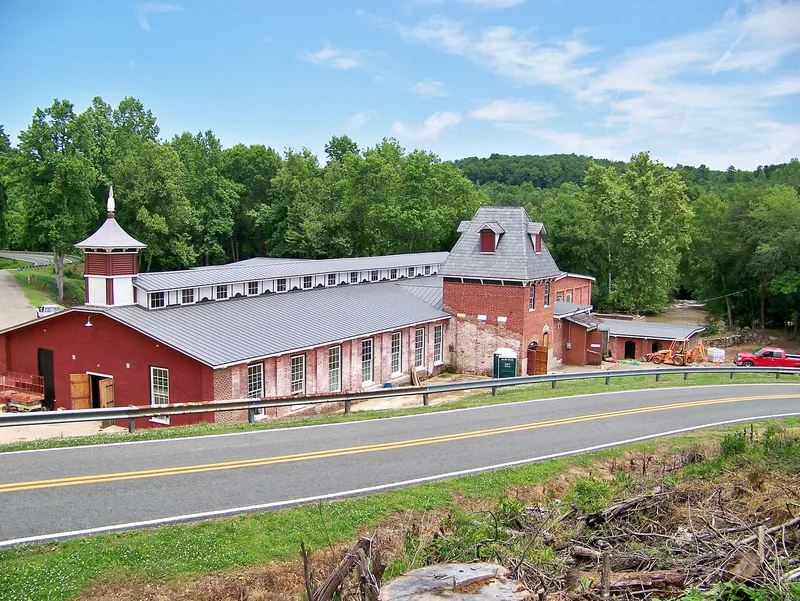
Laboratory Historic District is a compact rural group of mill-related resources on the South Fork River, about two miles south of Lincolnton. Its centerpiece is the brick Laboratory Cotton Mill, built in 1887 by Daniel E. Rhyne and his brother-in-law James A. Abernethy Sr. on a site that earlier held the Lincoln Cotton Factory and, from 1863, a Confederate laboratory producing medicines for the army. Also included are the mill's dam and race system, a stone reservoir, the ca. 1844 brick Hoke-Rhyne House and Rhyne's 1894 frame house with its ornate Victorian porch. The mill reintroduced cotton manufacturing to Lincoln County's economy in the late nineteenth century and operated until the late 1990s. The mill village that once surrounded it was demolished or moved after 1953, so these surviving buildings and structures, with their wooded hillside setting, preserve the industrial and domestic landscape of Rhyne's long career. Nine of the twenty-two resources contribute to the district's character.
Machine-generated summary. This summary was generated by a language model from the official nomination document and has not been reviewed line by line by an editor. It may contain errors. Check the source document before relying on any detail. Source: nomination document (PDF) · catalog entry. Generated October 2026 (model claude-sonnet-5-5, prompt v1.0-2026-10-29).
| Period of significance | ca. 1844-1861; ca. 1887-1953 |
|---|---|
| Styles | Federal; Greek Revival; Late Victorian |
| Areas of significance | Industry, Architecture |
| Acreage | 21.5 |
| Boundary source | NPS cultural-resource GIS polygon |
| Full listing page | Laboratory Historic District (property record) |
What listing means for this property
This is a historic district. Buildings within its boundary are either contributing (they add to the district's significance) or non-contributing. Owners of contributing income-producing buildings can claim the 20% federal rehabilitation tax credit; homeowners should look at state credits. National Register districts impose no design review by themselves; a local historic district ordinance, if one exists, does (the difference explained).
General information, not legal or tax advice. Rules change; confirm with your State Historic Preservation Office or a qualified adviser.