Kapp, John Henry, Farm

Why it's listed
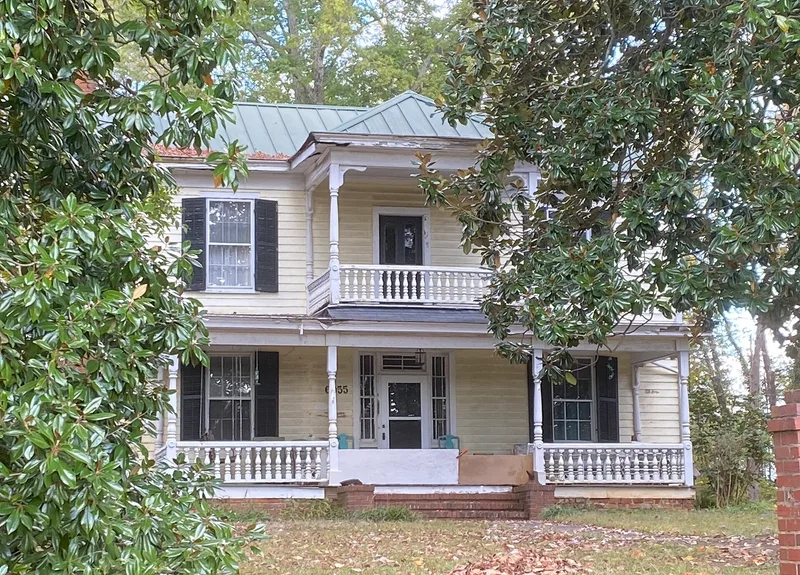
Near Bethania in western Forsyth County, this farmstead grew from 106 acres that John Henry Kapp bought from his father in 1870. The nominated portion includes a two-story weatherboarded I-house of brick-nogged frame, enlarged around 1880 with a rear tee and remodeled around 1910 with a two-level porch. Around it stand a smokehouse, granaries, a chicken house, a shop, and a large heavy-timber barn from the 1870s. A tenant house and tobacco pack house from about 1900 recall the tenant farming common in the county during the twentieth century. A cultivated field, pasture remnants and woodland complete the working landscape. The farm is considered significant for agriculture and architecture between 1870 and 1942. It shows how crops such as grain, fruit and tobacco were raised after the Civil War, how farm labor was arranged, and how house styles changed. The Kapp family's long association with the Moravian congregation at Bethania adds local context.
Machine-generated summary. This summary was generated by a language model from the official nomination document and has not been reviewed line by line by an editor. It may contain errors. Check the source document before relying on any detail. Source: nomination document (PDF) · catalog entry. Generated October 2026 (model claude-sonnet-5-5, prompt v1.0-2026-10-29).
| Period of significance | 1870-1942 |
|---|---|
| Styles | Other: I-house |
| Areas of significance | Agriculture, Architecture |
| Acreage | 13 |
| Boundary source | NPS cultural-resource GIS polygon |
| Full listing page | Kapp, John Henry, Farm (property record) |
What listing means for this property
This is a historic district. Buildings within its boundary are either contributing (they add to the district's significance) or non-contributing. Owners of contributing income-producing buildings can claim the 20% federal rehabilitation tax credit; homeowners should look at state credits. National Register districts impose no design review by themselves; a local historic district ordinance, if one exists, does (the difference explained).
General information, not legal or tax advice. Rules change; confirm with your State Historic Preservation Office or a qualified adviser.