Highlands North Historic District

Why it's listed
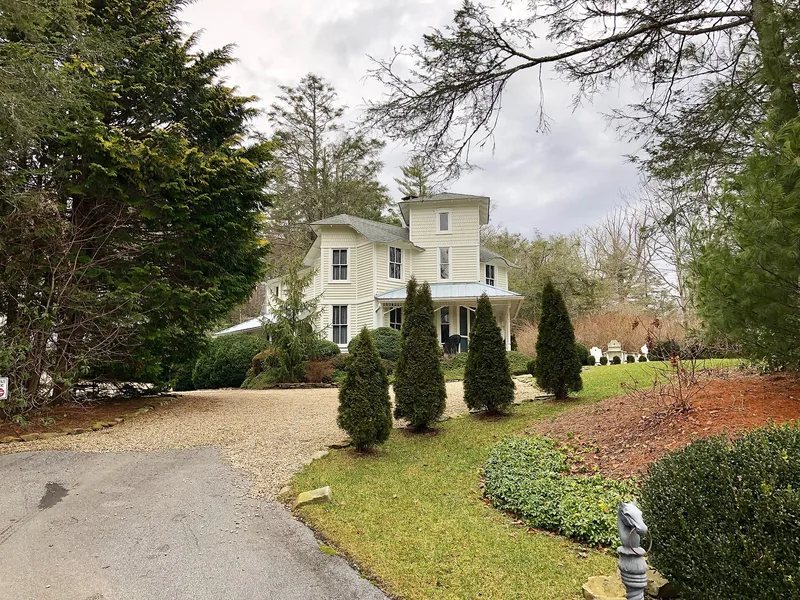
Wooded residential district in Highlands, a mountain resort town in Macon County, North Carolina, founded in 1875. Its roughly sixty acres lie within the original town boundary and hold a cluster of houses set well back on wide lots among rhododendron, hemlock and white pine. The seven principal houses were built between about 1883 and 1896, and the group continued to grow into the mid twentieth century. The oldest house, the Rideout-Whittle House, dates from about 1883. The district is significant for its architecture, with houses showing Stick Style, Queen Anne and Colonial Revival design, the Stick Style house built by John Zeigler Gottwals about 1896 being singled out as a notable example. It also shows a long mix of year-round and seasonal residents, which sets it apart from the other historic districts in Highlands.
Machine-generated summary. This summary was generated by a language model from the official nomination document and has not been reviewed line by line by an editor. It may contain errors. Check the source document before relying on any detail. Source: nomination document (PDF) · catalog entry. Generated October 2026 (model claude-haiku-5-5, prompt v1.1-2026-10-29).
| Period of significance | ca. 1883-1961 |
|---|---|
| Styles | Queen Anne, Shingle Style, Colonial Revival, Stick Style, Ranch |
| Areas of significance | Architecture |
| Acreage | 60 |
| Boundary source | NPS cultural-resource GIS polygon |
| Full listing page | Highlands North Historic District (property record) |
What listing means for this property
This is a historic district. Buildings within its boundary are either contributing (they add to the district's significance) or non-contributing. Owners of contributing income-producing buildings can claim the 20% federal rehabilitation tax credit; homeowners should look at state credits. National Register districts impose no design review by themselves; a local historic district ordinance, if one exists, does (the difference explained).
General information, not legal or tax advice. Rules change; confirm with your State Historic Preservation Office or a qualified adviser.