Green Park Historic District

Why it's listed
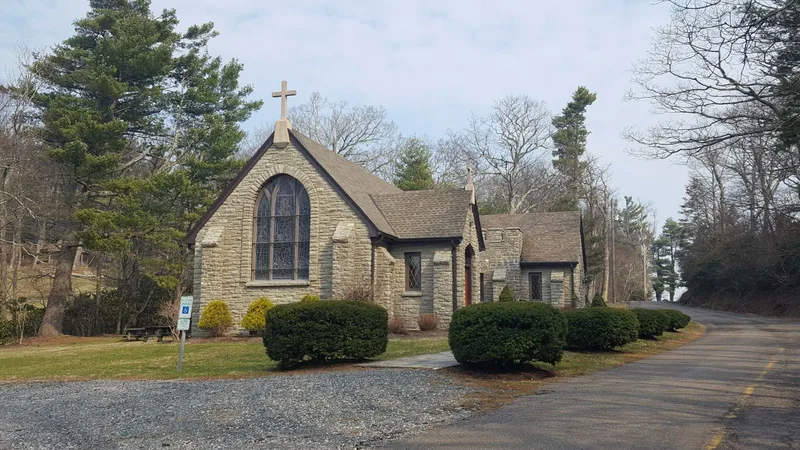
Green Park sits on a mountain ridge in Blowing Rock, Watauga County, where a resort community grew up around the Green Park Hotel, built in 1891. The hotel, described as the state's second oldest surviving resort hotel, anchors a district of roughly two dozen summer cottages, most dating from the 1920s, along with the Blowing Rock Country Club golf course and the Mt. Bethel Reformed Church and Cemetery. Many cottages are sheathed in chestnut bark and set on stone foundations, with stone retaining walls, steps, and terraces fitted to the steep slopes. Summer residents included textile and insurance figures from across the state, and the district's social history is tied to the families who built and returned to these houses over generations. The resort is also linked to the Blowing Rock itself, a cliff overlooking the Johns River Gorge. The district is valued for its intact early twentieth-century resort character and for its landscape and craftsmanship typical of western North Carolina summer colonies.
Machine-generated summary. This summary was generated by a language model from the official nomination document and has not been reviewed line by line by an editor. It may contain errors. Check the source document before relying on any detail. Source: nomination document (PDF) · catalog entry. Generated October 2026 (model claude-haiku-5-5, prompt v1.1-2026-10-29).
| Period of significance | 1891-1944 |
|---|---|
| Styles | Queen Anne; Colonial Revival; Bungalow/Craftsman; Late Gothic Revival |
| Areas of significance | Landscape Architecture, Architecture, Social History |
| Acreage | 177 |
| Boundary source | NPS cultural-resource GIS polygon |
| Full listing page | Green Park Historic District (property record) |
What listing means for this property
This is a historic district. Buildings within its boundary are either contributing (they add to the district's significance) or non-contributing. Owners of contributing income-producing buildings can claim the 20% federal rehabilitation tax credit; homeowners should look at state credits. National Register districts impose no design review by themselves; a local historic district ordinance, if one exists, does (the difference explained).
General information, not legal or tax advice. Rules change; confirm with your State Historic Preservation Office or a qualified adviser.