Freeman, Joseph, Farm

Why it's listed
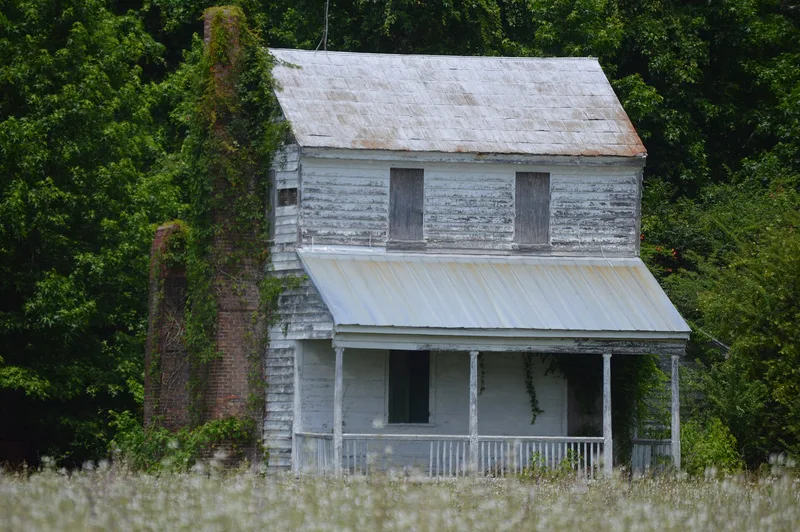
Located near the Virginia line in Gates County, North Carolina, this farm centers on a modest two-story frame house that Joseph Freeman, a skilled cabinetmaker, began building in 1821. The nominated 124-acre core holds fields, woodland, a domestic yard and farm outbuildings including a smokehouse, pump house, barn, equipment shelters and a surviving slave/tenant house. The house combines Georgian and Federal details, with raised-panel doors, fine woodwork, grained paint and an uncommon enlarged one-room plan. A kitchen ell was added in 1915 for a Freeman grandson and namesake. The farm passed through family hands, serving first as a developing family farm, then as a homeplace for Freeman's daughters, and later as tenant-occupied land. It was listed for its agricultural history, its link to Freeman's life and work, and its architecture. The house is now unoccupied but in good condition, while several outbuildings are slowly deteriorating.
Machine-generated summary. This summary was generated by a language model from the official nomination document and has not been reviewed line by line by an editor. It may contain errors. Check the source document before relying on any detail. Source: nomination document (PDF) · catalog entry. Generated October 2026 (model claude-sonnet-5-5, prompt v1.0-2026-10-29).
| Period of significance | 1821-1949 |
|---|---|
| Styles | Early Republic: Federal; Late Victorian: Queen Anne Revival; Other: Georgian/Federal Transitional |
| Areas of significance | Architecture, Art, Agriculture |
| Acreage | 124.2 |
| Boundary source | NPS cultural-resource GIS polygon |
| Full listing page | Freeman, Joseph, Farm (property record) |
What listing means for this property
This is a historic district. Buildings within its boundary are either contributing (they add to the district's significance) or non-contributing. Owners of contributing income-producing buildings can claim the 20% federal rehabilitation tax credit; homeowners should look at state credits. National Register districts impose no design review by themselves; a local historic district ordinance, if one exists, does (the difference explained).
Noted as vacant in the nomination. Nomination documents can be decades old; current status may differ. If you are considering buying an empty listed property, read the due-diligence checklist.
General information, not legal or tax advice. Rules change; confirm with your State Historic Preservation Office or a qualified adviser.