East Marion-Belvedere Park Historic District

Why it's listed
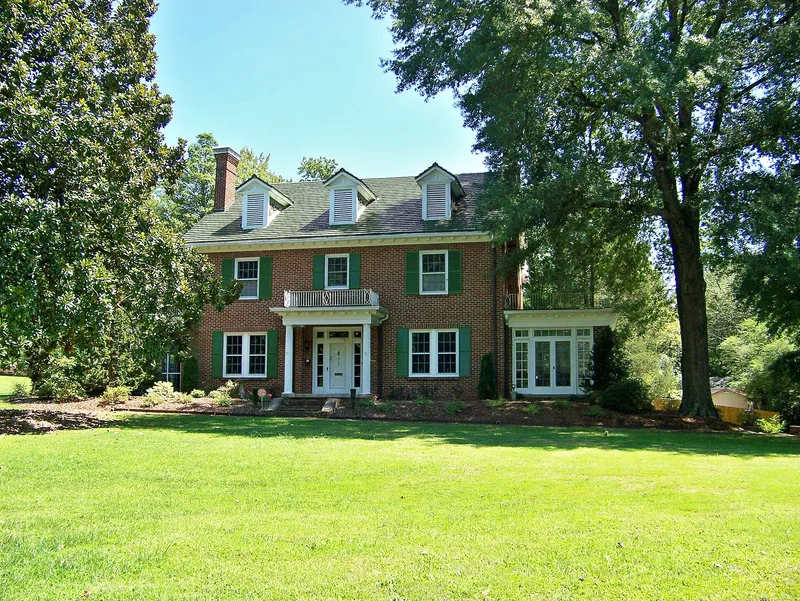
Belvedere Park, a residential district on the east side of Shelby in Cleveland County, North Carolina, was platted in 1921 on land once part of the Adam P. Spake cotton farm. Its curving streets, granite curbing, and tree-lined median reflect the suburban planning ideas of the early twentieth century. Will Lineberger, a Shelby banker, commissioned Charlotte landscape architect Leigh Colyer to lay out the subdivision. Most of the houses were built during the 1920s and 1930s, and the district holds bungalows, Colonial Revival, and Minimal Traditional houses. Several residences were built by local builder R. L. Hendrick. The district is also valued as a rare example in Shelby of a neighborhood that fully followed the new suburban pattern, with large owner-occupied lots on the main avenues and smaller rental lots along Chestnut Street.
Machine-generated summary. This summary was generated by a language model from the official nomination document and has not been reviewed line by line by an editor. It may contain errors. Check the source document before relying on any detail. Source: nomination document (PDF) · catalog entry. Generated October 2026 (model claude-haiku-5-5, prompt v1.1-2026-10-29).
| Period of significance | 1921-1951 |
|---|---|
| Styles | Bungalow; Colonial Revival; Minimal Traditional |
| Areas of significance | Architecture, Community Planning and Development |
| Acreage | 65 |
| Boundary source | NPS cultural-resource GIS polygon |
| Full listing page | East Marion-Belvedere Park Historic District (property record) |
What listing means for this property
This is a historic district. Buildings within its boundary are either contributing (they add to the district's significance) or non-contributing. Owners of contributing income-producing buildings can claim the 20% federal rehabilitation tax credit; homeowners should look at state credits. National Register districts impose no design review by themselves; a local historic district ordinance, if one exists, does (the difference explained).
General information, not legal or tax advice. Rules change; confirm with your State Historic Preservation Office or a qualified adviser.