Columbia Historic District

Why it's listed
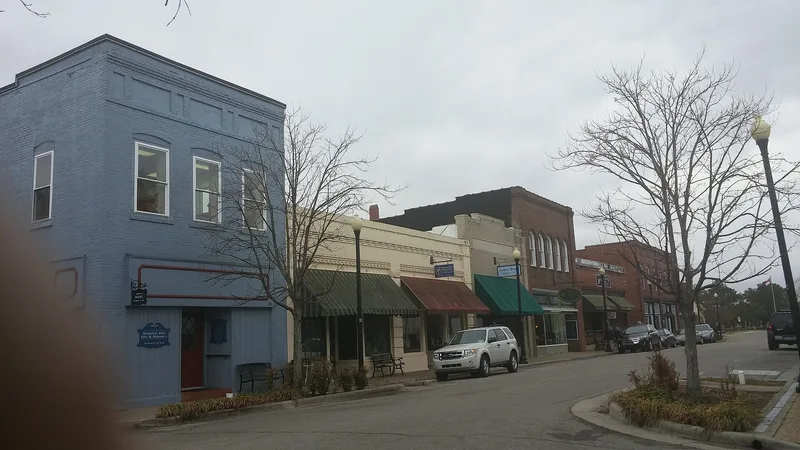
Columbia, the county seat of Tyrrell County, lies on the east shore of the Scuppernong River estuary, where the town was laid out between 1793 and 1802. The district occupies most of the town core and centers on Main Street, where a nearly continuous row of commercial buildings, many of brick, dates from the turn of the twentieth century to about 1940. The 1903 Tyrrell County Courthouse and Jail stand in a landscaped public ground at Main and Broad streets. Residential areas include frame dwellings with Victorian sawn and turned ornament, Queen Anne and Gothic Revival houses, and Craftsman and Tudor Revival houses of the 1920s and 1930s. Lumber milling after the Civil War drove the town's growth, and the district reflects that expansion through its banks, churches and boarding houses. The district is regarded as the most varied architectural collection in the county, with streetscapes shaped by buildings, shade trees and sidewalks.
Machine-generated summary. This summary was generated by a language model from the official nomination document and has not been reviewed line by line by an editor. It may contain errors. Check the source document before relying on any detail. Source: nomination document (PDF) · catalog entry. Generated October 2026 (model claude-haiku-5-5, prompt v1.1-2026-10-29).
| Period of significance | ca. 1880 - 1944 |
|---|---|
| Styles | Queen Anne, Romanesque, Craftsman, Colonial Revival, Tudor Revival, Gothic Revival, Art Deco, Second Empire, Mission, Mediterranean styling, indigenous vernacular |
| Areas of significance | Commerce, Architecture |
| Acreage | 35 |
| Boundary source | NPS cultural-resource GIS polygon |
| Full listing page | Columbia Historic District (property record) |
What listing means for this property
This is a historic district. Buildings within its boundary are either contributing (they add to the district's significance) or non-contributing. Owners of contributing income-producing buildings can claim the 20% federal rehabilitation tax credit; homeowners should look at state credits. National Register districts impose no design review by themselves; a local historic district ordinance, if one exists, does (the difference explained).
General information, not legal or tax advice. Rules change; confirm with your State Historic Preservation Office or a qualified adviser.