Chestnut Hill Historic District

Why it's listed
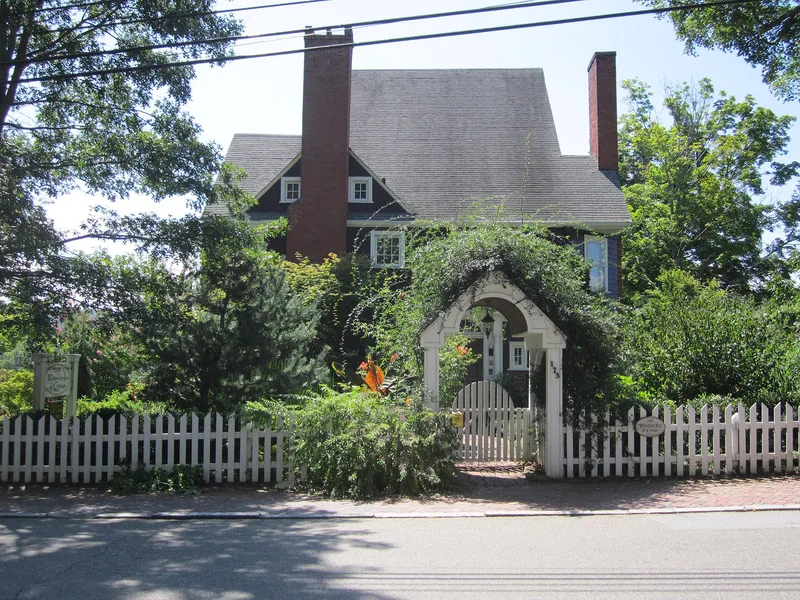
Chestnut Hill is a compact residential neighborhood on a knoll about 500 yards north of Asheville's center in Buncombe County, North Carolina. Its roughly 200 buildings were mostly built as houses between the 1880s and the early 1900s, after the railroad reached the city in 1880 and brought tourists and investors. The houses range from simple vernacular frame and brick dwellings to Queen Anne, Colonial Revival and Shingle-style designs. Architect R. S. Smith, formerly resident architect for George W. Vanderbilt at Biltmore House, designed a number of the houses, and J. A. Tennent, who designed Asheville's late nineteenth-century municipal buildings, built a home here. Several residents held state or national posts, including Senator Jeter C. Pritchard, and tuberculosis specialist Dr. Carl Von Ruck ran his sanatorium from his home in the district. The neighborhood is listed for its architecture and for its association with the city's turn-of-the-century development.
Machine-generated summary. This summary was generated by a language model from the official nomination document and has not been reviewed line by line by an editor. It may contain errors. Check the source document before relying on any detail. Source: nomination document (PDF) · catalog entry. Generated October 2026 (model claude-haiku-5-5, prompt v1.1-2026-10-29).
| Period of significance | 1865-1929 |
|---|---|
| Styles | Queen Anne, Colonial Revival, Shingle, Italianate, Stick style, vernacular |
| Areas of significance | Health/Medicine, Architecture |
| Acreage | 55 |
| Boundary source | NPS cultural-resource GIS polygon |
| Full listing page | Chestnut Hill Historic District (property record) |
What listing means for this property
This is a historic district. Buildings within its boundary are either contributing (they add to the district's significance) or non-contributing. Owners of contributing income-producing buildings can claim the 20% federal rehabilitation tax credit; homeowners should look at state credits. National Register districts impose no design review by themselves; a local historic district ordinance, if one exists, does (the difference explained).
General information, not legal or tax advice. Rules change; confirm with your State Historic Preservation Office or a qualified adviser.