Carolina Heights Historic District (Boundary Increase)

The National Park Service has not published a boundary polygon for this district; the map shows the listed properties inside it and the district's reference point.
Why it's listed
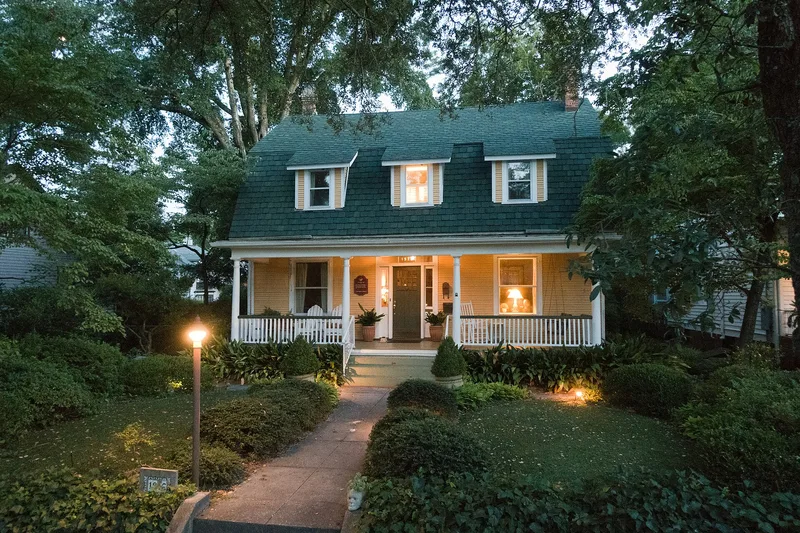
This small addition to Wilmington's Carolina Heights Historic District takes in twelve houses and two outbuildings on the west side of North Thirteenth Street, along with a former service station and funeral home on Market Street. The houses were among the first built in the Winoca Terrace subdivision, which developers began grading in 1911 and which offered paved streets, utilities and trolley access. Residents were largely white-collar workers, many employed by the Atlantic Coast Line Railroad. The houses range from Queen Anne-influenced and Dutch Colonial Revival designs to foursquares, Craftsman bungalows and a brick Colonial Revival dwelling, all set back evenly on landscaped lots. Deed restrictions set minimum construction costs and building setbacks. The Mission Revival service station and Colonial Revival funeral home, both from about 1936, were part of the neighborhood into the 1980s and mark its western edge. The houses had been left out of the original district listing by oversight, and adding them completes the historic neighborhood boundary.
Machine-generated summary. This summary was generated by a language model from the official nomination document and has not been reviewed line by line by an editor. It may contain errors. Check the source document before relying on any detail. Source: nomination document (PDF) · catalog entry. Generated October 2026 (model claude-sonnet-5-5, prompt v1.0-2026-10-29).
| Period of significance | ca. 1914-1939 |
|---|---|
| Styles | Queen Anne, Colonial Revival, Bungalow/Craftsman, Mission/Spanish Colonial Revival |
| Areas of significance | Community Planning and Development, Architecture |
| Acreage | 1.5 |
| Boundary source | not published |
| Full listing page | Carolina Heights Historic District (Boundary Increase) (property record) |
What listing means for this property
This is a historic district. Buildings within its boundary are either contributing (they add to the district's significance) or non-contributing. Owners of contributing income-producing buildings can claim the 20% federal rehabilitation tax credit; homeowners should look at state credits. National Register districts impose no design review by themselves; a local historic district ordinance, if one exists, does (the difference explained).
General information, not legal or tax advice. Rules change; confirm with your State Historic Preservation Office or a qualified adviser.