Biltmore Forest School

Why it's listed
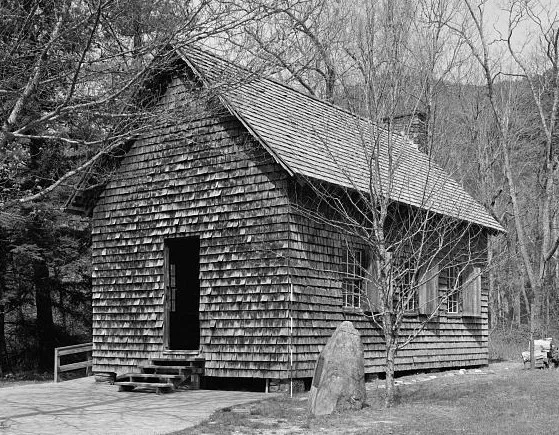
Deep in the Pisgah National Forest, this ten-acre district preserves the grounds of the Biltmore Forest School, the first forestry school in the United States. Dr. Carl Alvin Schenck directed the school, and the surrounding valley is where scientific forest management was first practiced in the country. The surviving buildings include Black Forest Lodge, built in 1896 for Schenck's rangers, a heavily timbered frame building with a high roof and heavy beams set into the walls. The Hiram King House, a wooden frame dwelling from the 1880s, later housed students as boarders. Four other buildings, the Schoolhouse, the Commissary, Schenck's Office and the student dormitory called Hellhole, were reconstructed in 1967-68 from old photographs, plans and descriptions. A visitor center dates from 1965. Congress recognized the area as the Cradle of Forestry in America in 1968, and the site is open to visitors in the warmer months.
Machine-generated summary. This summary was generated by a language model from the official nomination document and has not been reviewed line by line by an editor. It may contain errors. Check the source document before relying on any detail. Source: nomination document (PDF) · catalog entry. Generated October 2026 (model claude-sonnet-5-5, prompt v1.0-2026-10-29).
| Styles | Black Forest architecture (Black Forest Lodge) |
|---|---|
| Areas of significance | Conservation, Education, Social History |
| Acreage | 10 |
| Boundary source | NPS cultural-resource GIS polygon |
| Full listing page | Biltmore Forest School (property record) |
What listing means for this property
This is a historic district. Buildings within its boundary are either contributing (they add to the district's significance) or non-contributing. Owners of contributing income-producing buildings can claim the 20% federal rehabilitation tax credit; homeowners should look at state credits. National Register districts impose no design review by themselves; a local historic district ordinance, if one exists, does (the difference explained).
General information, not legal or tax advice. Rules change; confirm with your State Historic Preservation Office or a qualified adviser.