Backus, E. M., Lodge

Why it's listed
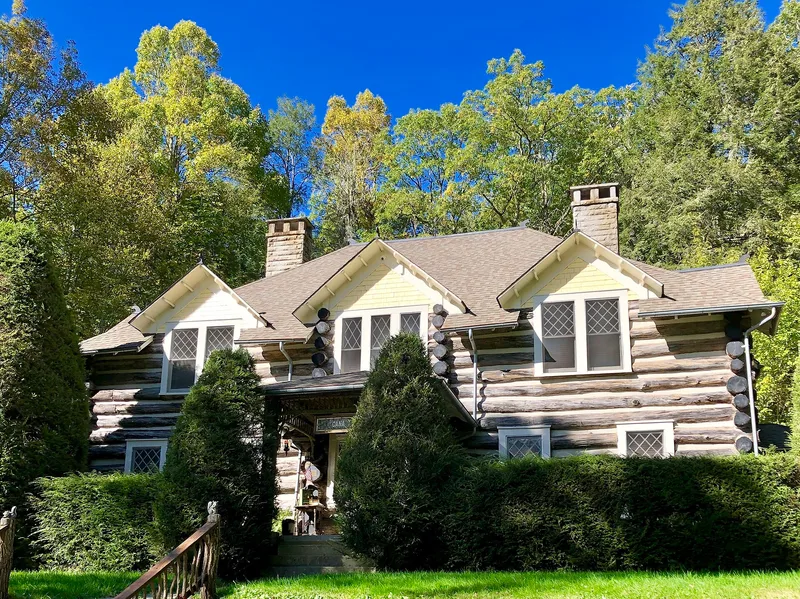
Backus Lodge is a group of eight buildings on about 21 acres at 4,000 feet on Cold Mountain Gap, near Lake Toxaway, North Carolina. Around 1908 Chicago industrialist Edward M. Backus built a 1 1/2 story hunting lodge of unpeeled chestnut logs, with a log stable and caretaker's cottage, beside a small lake formed by damming the Toxaway River headwaters. The logs were hauled by ox-drawn wagons and raised using earth mounds. In 1922 the property became Camp Toxaway, an exclusive girls' camp, and the Davis family added a second story to the stable and cottage, plus a guest house, barn and family cottage. After the camp closed in 1935, the site later served as Canaan Land, a religious and educational retreat, from 1955 into the 1980s. It is considered one of the finest smaller surviving examples of Adirondack-style rustic architecture in western North Carolina and reflects the region's early resort history. It remains in seasonal private use.
Machine-generated summary. This summary was generated by a language model from the official nomination document and has not been reviewed line by line by an editor. It may contain errors. Check the source document before relying on any detail. Source: nomination document (PDF) · catalog entry. Generated October 2026 (model claude-sonnet-5-5, prompt v1.0-2026-10-29).
| Period of significance | 1908-1935 |
|---|---|
| Styles | Adirondack style of resort architecture (rustic log) |
| Areas of significance | Entertainment/Recreation, Architecture |
| Acreage | 20.6 |
| Boundary source | NPS cultural-resource GIS polygon |
| Full listing page | Backus, E. M., Lodge (property record) |
What listing means for this property
This is a historic district. Buildings within its boundary are either contributing (they add to the district's significance) or non-contributing. Owners of contributing income-producing buildings can claim the 20% federal rehabilitation tax credit; homeowners should look at state credits. National Register districts impose no design review by themselves; a local historic district ordinance, if one exists, does (the difference explained).
General information, not legal or tax advice. Rules change; confirm with your State Historic Preservation Office or a qualified adviser.