Wickapogue Road Historic District

Why it's listed
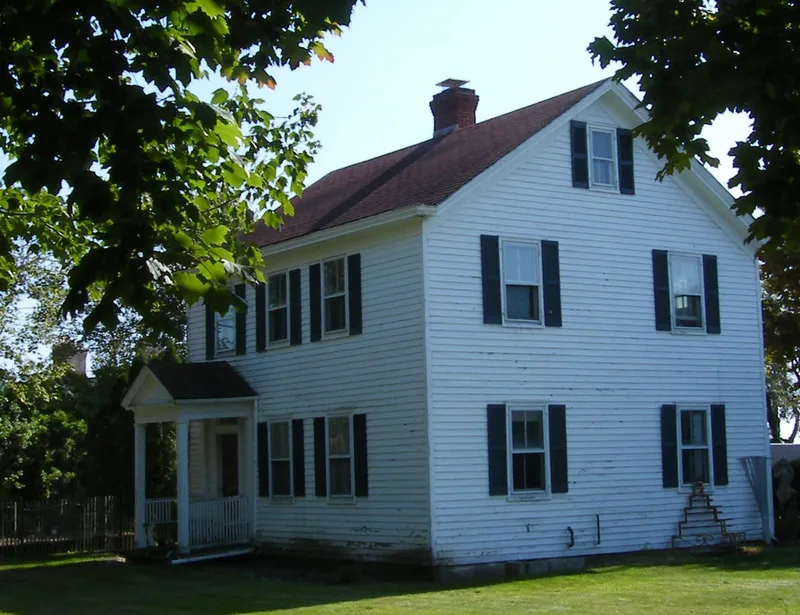
Wickapogue Road Historic District preserves a stretch of working farmland in the southeastern part of Southampton village. Six farmsteads with seventeen historic buildings sit close to the road, separated by broad, flat, cultivated fields. The farms span about 1684 to the early twentieth century. Daniel Halsey bought land along the road soon after it was laid out in the late seventeenth century, and the Halsey farm is reputed to be the oldest in the United States to stay continuously in one family. The nearby White farmhouse includes a portion from the 1680s. Red Top Farm, built in 1895, was later sold to a wealthy New York City family as a summer retreat, reflecting the village's resort growth. The buildings share wood frame construction, shingle or clapboard sheathing, three- or five-bay plans and plain trim, following a local building tradition. The district matters because its open, uncompromised agricultural landscape is the only one of its kind left in a heavily developed village.
Machine-generated summary. This summary was generated by a language model from the official nomination document and has not been reviewed line by line by an editor. It may contain errors. Check the source document before relying on any detail. Source: nomination document (PDF) · catalog entry. Generated October 2026 (model claude-sonnet-5-5, prompt v1.0-2026-10-29).
| Period of significance | 1684-1910 |
|---|---|
| Styles | Vernacular Long Island conservative building tradition (wood frame, three- and five-bay plans, little decorative detail) |
| Areas of significance | Exploration/Settlement, Architecture |
| Acreage | 27 |
| Boundary source | NPS cultural-resource GIS polygon |
| Full listing page | Wickapogue Road Historic District (property record) |
What listing means for this property
This is a historic district. Buildings within its boundary are either contributing (they add to the district's significance) or non-contributing. Owners of contributing income-producing buildings can claim the 20% federal rehabilitation tax credit; homeowners should look at state credits. National Register districts impose no design review by themselves; a local historic district ordinance, if one exists, does (the difference explained).
General information, not legal or tax advice. Rules change; confirm with your State Historic Preservation Office or a qualified adviser.