West Side Historic District

Why it's listed
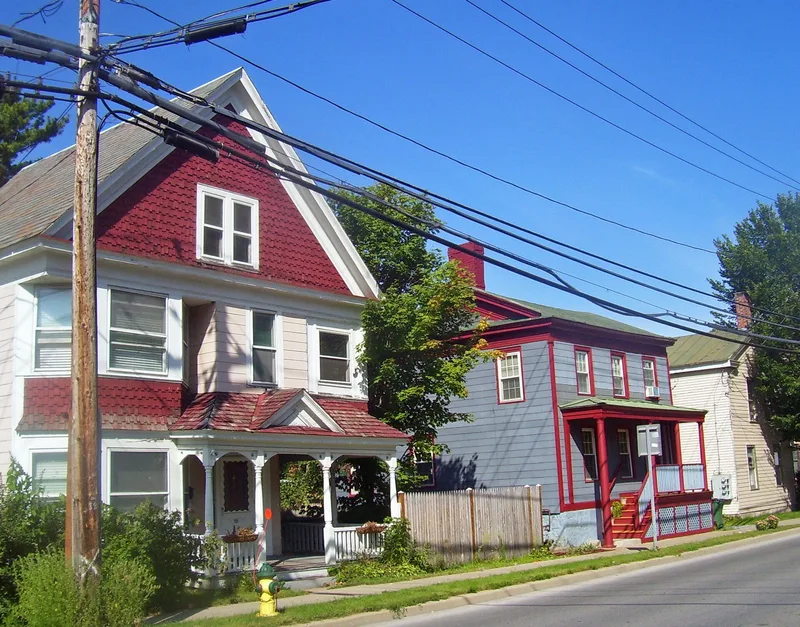
West of Broadway in Saratoga Springs lies a neighborhood of roughly 500 buildings that served as the home of the city's year-round residents while wealthy tourists stayed on the East Side. Its irregular street pattern comes from two street alignments, Church Street and Van Dam Street, and from early land divisions among the Walton, Putnam and Waterbury holdings. The railroad, opened in the 1830s, made Franklin Square a focal point. Most buildings are houses on lots with 50 to 60 feet of frontage, typically one to two stories, with the gable end facing the street, a side-passage plan, rear ells and a full-width front porch. Outbuildings such as stables and garages follow the same form. Later houses grew larger, and bungalows appeared in the 1930s, but the basic form lasted into the twentieth century. Siding has mostly been replaced, so form, plan, porches, wings and window patterns determine which buildings contribute. The district includes 87 resources already listed in the Franklin Square Historic District.
Machine-generated summary. This summary was generated by a language model from the official nomination document and has not been reviewed line by line by an editor. It may contain errors. Check the source document before relying on any detail. Source: nomination document (PDF) · catalog entry. Generated October 2026 (model claude-sonnet-5-5, prompt v1.0-2026-10-29).
| Styles | Mid-19th Century, Late Victorian, and No Style (mostly vernacular front-gable frame houses) |
|---|---|
| Areas of significance | Community Planning and Development, Architecture |
| Acreage | 122 |
| Boundary source | NPS cultural-resource GIS polygon |
| Full listing page | West Side Historic District (property record) |
What listing means for this property
This is a historic district. Buildings within its boundary are either contributing (they add to the district's significance) or non-contributing. Owners of contributing income-producing buildings can claim the 20% federal rehabilitation tax credit; homeowners should look at state credits. National Register districts impose no design review by themselves; a local historic district ordinance, if one exists, does (the difference explained).
General information, not legal or tax advice. Rules change; confirm with your State Historic Preservation Office or a qualified adviser.