Van Houten's Landing Historic District

Why it's listed
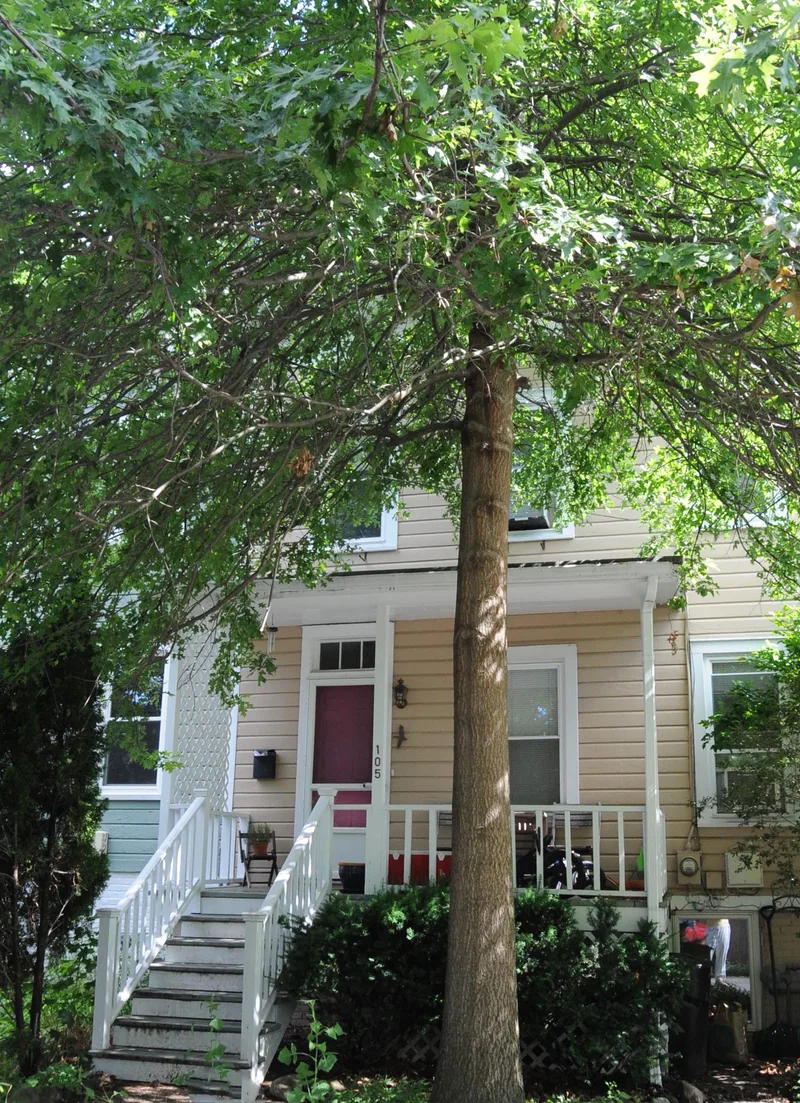
Van Houten's Landing is a compact waterfront neighborhood in Upper Nyack, New York, between North Broadway and the Hudson River. It grew around a landing and boatyard that John Van Houten developed after buying the land in 1798. He ran a freight depot, later passenger service, a small hotel and a post office, and built river sloops and steamships. He also added a marine railway, the first in Rockland County according to the nomination. Around the yard, sea captains, boat builders, carpenters, storekeepers and other tradesmen lived in modest frame houses, many dating from about 1825 to 1850. Later additions include Italianate buildings put up by the Voris family, who operated the yard, among them a store, a house and nine School Street rowhouses. A Queen Anne firehouse of 1887 and a village hall also stand here. The boatyard remains in use, and the district holds 52 contributing and 9 noncontributing resources.
Machine-generated summary. This summary was generated by a language model from the official nomination document and has not been reviewed line by line by an editor. It may contain errors. Check the source document before relying on any detail. Source: nomination document (PDF) · catalog entry. Generated October 2026 (model claude-sonnet-5-5, prompt v1.0-2026-10-29).
| Styles | Greek Revival, Italianate, Stick, Second Empire, Queen Anne, Colonial Revival, and vernacular Dutch-tradition houses |
|---|---|
| Areas of significance | Architecture, Transportation |
| Acreage | 14 |
| Boundary source | NPS cultural-resource GIS polygon |
| Full listing page | Van Houten's Landing Historic District (property record) |
What listing means for this property
This is a historic district. Buildings within its boundary are either contributing (they add to the district's significance) or non-contributing. Owners of contributing income-producing buildings can claim the 20% federal rehabilitation tax credit; homeowners should look at state credits. National Register districts impose no design review by themselves; a local historic district ordinance, if one exists, does (the difference explained).
General information, not legal or tax advice. Rules change; confirm with your State Historic Preservation Office or a qualified adviser.