Sugar Hill Historic District

Why it's listed
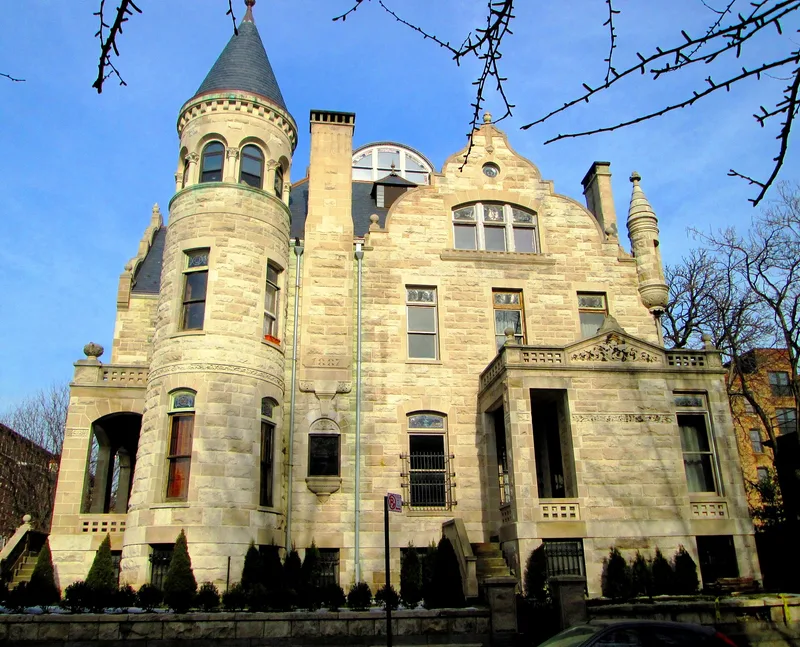
Sugar Hill is a hillside neighborhood in West Harlem, Manhattan, running from West 145th to West 155th Streets and east to Bradhurst Avenue and Colonial Park. The district includes 414 contributing buildings, chiefly late 19th and early 20th century row houses and apartment houses, along with two sites, three structures and one object. Row houses, often built speculatively as block-long compositions, show neo-Grec, Romanesque and Renaissance Revival details. Apartment houses by architects such as Henri Fouchaux, George Frederick Pelham and S. J. Kessler line St. Nicholas and Edgecombe Avenues, forming a dramatic skyline above the park. Before development, the area was farmland and large estates, and it was reached by new avenues and the 155th Street viaduct. The annotated building list also records residents from the Harlem Renaissance era, including writers, musicians and athletes. The district was listed for its architecture, its integrity, and its role in the social history of Harlem.
Machine-generated summary. This summary was generated by a language model from the official nomination document and has not been reviewed line by line by an editor. It may contain errors. Check the source document before relying on any detail. Source: nomination document (PDF) · catalog entry. Generated October 2026 (model claude-sonnet-5-5, prompt v1.0-2026-10-29).
| Styles | Late Victorian (Queen Anne, neo-Grec, Romanesque Revival, Renaissance Revival); Late 19th and 20th Century Revivals (Classical Revival, Beaux Arts, Tudor Revival, Colonial Revival); Moderne and Art Deco |
|---|---|
| Areas of significance | Community Planning and Development, Architecture, Social History |
| Acreage | 75 |
| Boundary source | NPS cultural-resource GIS polygon |
| Full listing page | Sugar Hill Historic District (property record) |
What listing means for this property
This is a historic district. Buildings within its boundary are either contributing (they add to the district's significance) or non-contributing. Owners of contributing income-producing buildings can claim the 20% federal rehabilitation tax credit; homeowners should look at state credits. National Register districts impose no design review by themselves; a local historic district ordinance, if one exists, does (the difference explained).
General information, not legal or tax advice. Rules change; confirm with your State Historic Preservation Office or a qualified adviser.