Somers Hamlet Historic District

Why it's listed
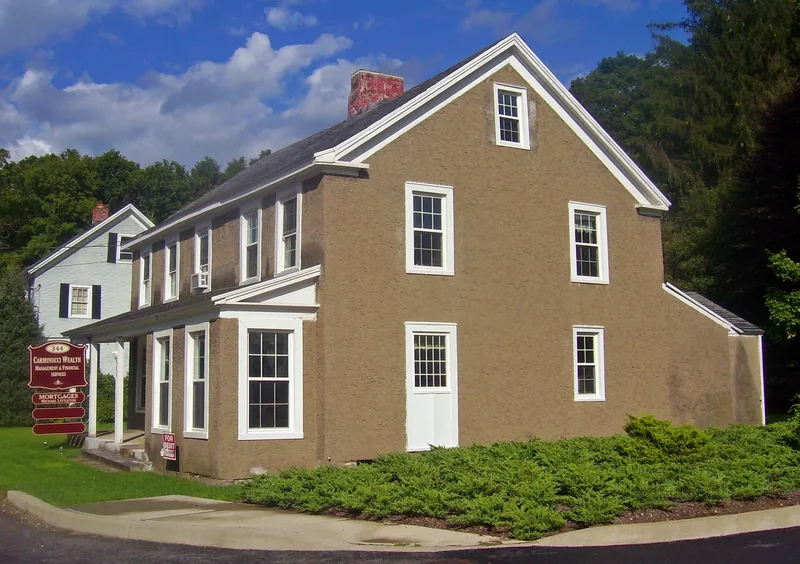
Somers Hamlet is a roadside community in northern Westchester County, New York, laid out along U.S. Route 202 where two turnpikes met. The district covers about 56 acres and holds dozens of buildings, two large cemeteries and a small park. Its centerpiece is the Elephant Hotel, built in 1820-25 by Hachaliah Bailey, a drover who bought the elephant Old Bet in 1805 and toured the Northeast with menageries. Around the hotel stand a Greek Revival church from 1841, a Second Empire house of about 1870, brick duplexes and many modest wood-frame dwellings once occupied by tradesmen and laborers. The hamlet peaked by 1850 and then changed little, as railroads and parkways bypassed it. Suburban growth and large corporate campuses nearby have since pressed against it, and many houses now hold shops and offices. The district was listed because it preserves a rare, largely intact example of nineteenth-century rural turnpike life in a county that has otherwise suburbanized.
Machine-generated summary. This summary was generated by a language model from the official nomination document and has not been reviewed line by line by an editor. It may contain errors. Check the source document before relying on any detail. Source: nomination document (PDF) · catalog entry. Generated October 2026 (model claude-sonnet-5-5, prompt v1.0-2026-10-29).
| Styles | Early Republic; Mid-19th Century; Late 19th and Early 20th Century Revivals (Federal, Greek Revival, Second Empire, Shingle, Craftsman) |
|---|---|
| Areas of significance | Architecture, Commerce, Entertainment/Recreation |
| Acreage | 56 |
| Boundary source | NPS cultural-resource GIS polygon |
| Full listing page | Somers Hamlet Historic District (property record) |
What listing means for this property
This is a historic district. Buildings within its boundary are either contributing (they add to the district's significance) or non-contributing. Owners of contributing income-producing buildings can claim the 20% federal rehabilitation tax credit; homeowners should look at state credits. National Register districts impose no design review by themselves; a local historic district ordinance, if one exists, does (the difference explained).
General information, not legal or tax advice. Rules change; confirm with your State Historic Preservation Office or a qualified adviser.