Smith, Alexander, Carpet Mills Historic District

Why it's listed
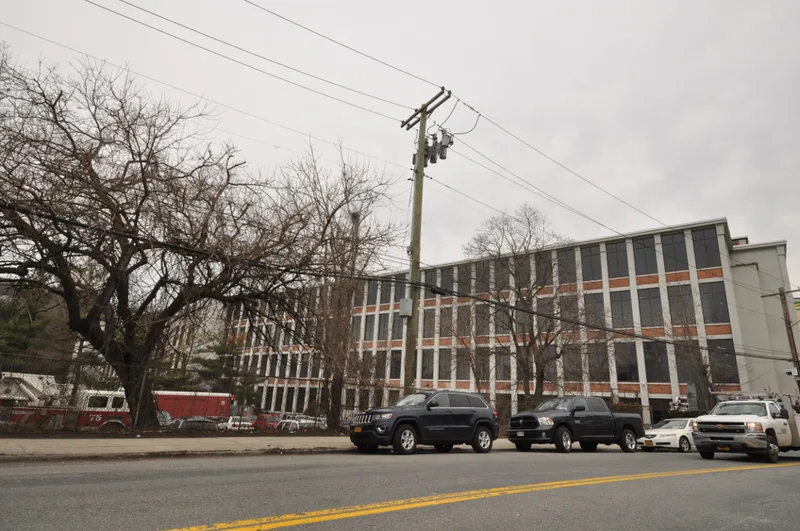
Along the Saw Mill River in Yonkers, a thirty-eight acre complex of nineteen industrial buildings and six rows of workers' housing preserves the home of the Alexander Smith carpet company. Construction ran from 1871 to 1930. The earliest building, a worsted yarn mill, is a three-story red-brown brick French Second Empire structure with two mansard-roofed towers. Later additions include print mills, a castellated 1903 extension, and 1920s concrete post-and-beam mills with brick and glass infill that echo Bauhaus factory design. The complex matters for its role in Yonkers' industrial growth and in carpet manufacturing. Smith and his associate Skinner perfected a power loom for Axminster (Moquette) carpet, patented in 1877, which cut production costs by seventy-five percent and fueled rapid expansion. The river supplied water for washing wool and for power. The company closed in 1954, yet the buildings remain largely intact and now house varied commercial and industrial tenants.
Machine-generated summary. This summary was generated by a language model from the official nomination document and has not been reviewed line by line by an editor. It may contain errors. Check the source document before relying on any detail. Source: nomination document (PDF) · catalog entry. Generated October 2026 (model claude-sonnet-5-5, prompt v1.0-2026-10-29).
| Styles | Varied industrial styles, including French Second Empire, castellated, and early twentieth-century concrete post-and-beam |
|---|---|
| Areas of significance | Industry, Architecture |
| Acreage | 38 |
| Boundary source | NPS cultural-resource GIS polygon |
| Full listing page | Smith, Alexander, Carpet Mills Historic District (property record) |
What listing means for this property
This is a historic district. Buildings within its boundary are either contributing (they add to the district's significance) or non-contributing. Owners of contributing income-producing buildings can claim the 20% federal rehabilitation tax credit; homeowners should look at state credits. National Register districts impose no design review by themselves; a local historic district ordinance, if one exists, does (the difference explained).
General information, not legal or tax advice. Rules change; confirm with your State Historic Preservation Office or a qualified adviser.