Shore Road Historic District

Why it's listed
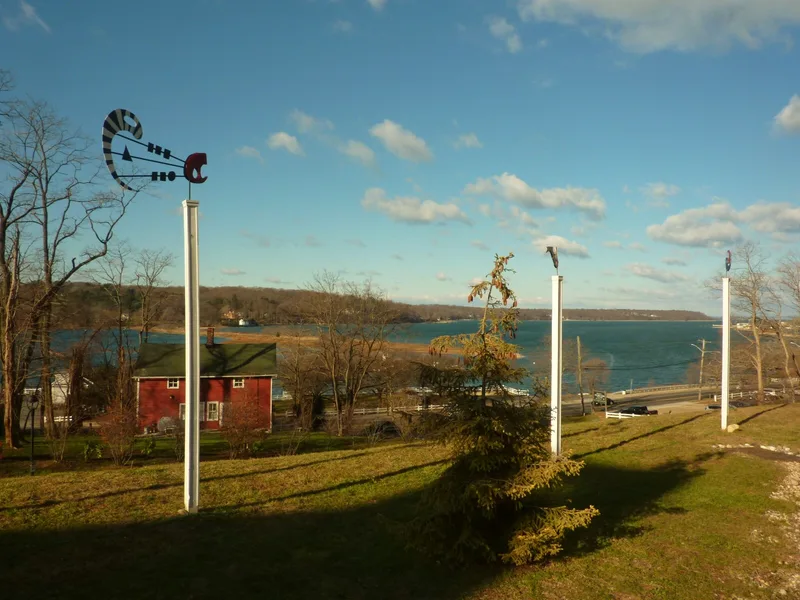
Shore Road is a narrow, winding street on the east side of Cold Spring Harbor, where a cluster of houses sits at the foot of a wooded bluff. The district covers 36 acres and holds eighteen contributing buildings dating from about 1790 to 1900, most from the early nineteenth century. The oldest is the Henry Titus farmstead, with its mid-nineteenth-century outbuildings. Several modest dwellings built by farmers and sailors during the whaling era show simple massing with Federal and Greek Revival touches, and many were enlarged when the village became a summer resort. The John Dole House of about 1875 blends symmetrical local tradition with Victorian ornament. Wawapek, built from 1898 to 1900 for businessman and civic leader Robert W. DeForest and designed by Grosvenor Atterbury, represents the shift toward affluent estates on Long Island's Gold Coast. Its cobblestone, brick and wood construction recalls Adirondack lodges. Together the buildings trace the village's settlement and change over more than a century.
Machine-generated summary. This summary was generated by a language model from the official nomination document and has not been reviewed line by line by an editor. It may contain errors. Check the source document before relying on any detail. Source: nomination document (PDF) · catalog entry. Generated October 2026 (model claude-sonnet-5-5, prompt v1.0-2026-10-29).
| Styles | Settlement-period vernacular with modified Federal and Greek Revival details; Victorian picturesque; Shingle style and Adirondack lodge-inspired estate architecture |
|---|---|
| Areas of significance | Exploration/Settlement, Architecture |
| Acreage | 36 |
| Boundary source | NPS cultural-resource GIS polygon |
| Full listing page | Shore Road Historic District (property record) |
What listing means for this property
This is a historic district. Buildings within its boundary are either contributing (they add to the district's significance) or non-contributing. Owners of contributing income-producing buildings can claim the 20% federal rehabilitation tax credit; homeowners should look at state credits. National Register districts impose no design review by themselves; a local historic district ordinance, if one exists, does (the difference explained).
General information, not legal or tax advice. Rules change; confirm with your State Historic Preservation Office or a qualified adviser.