Roosevelt, Eleanor, National Historic Site

Why it's listed
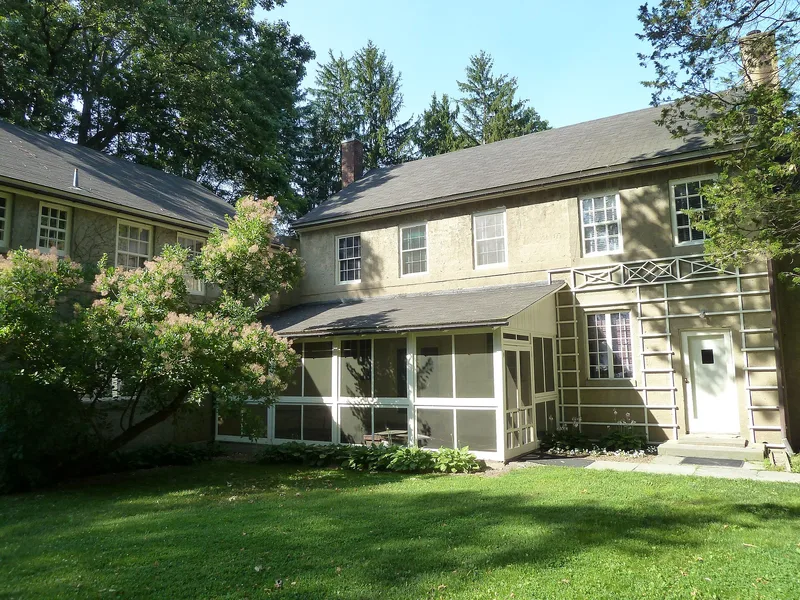
Val-Kill is a 180-acre property in Hyde Park, New York, that served as Eleanor Roosevelt's principal home from 1936-37 until her death in 1962. The grounds hold fields, woods, wetlands, a pond on the Fall Kill and five major buildings. The two most important are a fieldstone cottage of 1925-26, designed by Henry Toombs of McKim, Mead and White with help from Franklin Roosevelt, and a former furniture factory built in 1926 for Val-Kill Industries. After the enterprise closed in 1936, Eleanor converted the factory into living quarters. Other features include a playhouse, a dollhouse, a stable-garage, swimming pool sites, a tennis court and a stone barbecue. Val-Kill was her refuge and a place to entertain political associates, students and foreign dignitaries, including Nikita Khrushchev and Marshal Tito. The property is recognized for its close association with her private life and humanitarian leadership between 1924 and 1962.
Machine-generated summary. This summary was generated by a language model from the official nomination document and has not been reviewed line by line by an editor. It may contain errors. Check the source document before relying on any detail. Source: nomination document (PDF) · catalog entry. Generated October 2026 (model claude-sonnet-5-5, prompt v1.0-2026-10-29).
| Period of significance | 1924-1962 |
|---|---|
| Styles | Stone cottage designed in the manner of a traditional Hudson River Dutch farmhouse |
| Areas of significance | Politics/Government, Social History |
| Acreage | 180 |
| Boundary source | NPS cultural-resource GIS polygon |
| Full listing page | Roosevelt, Eleanor, National Historic Site (property record) |
What listing means for this property
This is a historic district. Buildings within its boundary are either contributing (they add to the district's significance) or non-contributing. Owners of contributing income-producing buildings can claim the 20% federal rehabilitation tax credit; homeowners should look at state credits. National Register districts impose no design review by themselves; a local historic district ordinance, if one exists, does (the difference explained).
General information, not legal or tax advice. Rules change; confirm with your State Historic Preservation Office or a qualified adviser.