Pound Ridge Historic District

Why it's listed
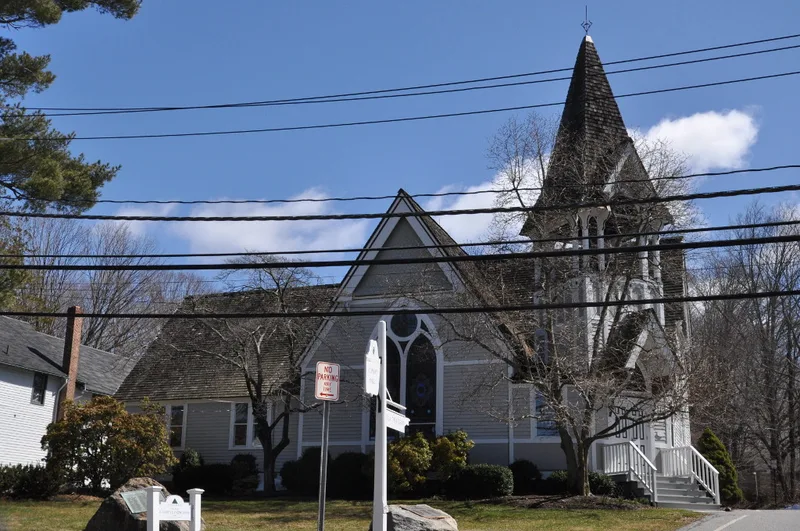
Pound Ridge's historic hamlet sits on a small plateau in far eastern Westchester County, roughly two miles north of the Connecticut border. The district covers about ninety-five acres and includes fifty-two buildings, most of them white frame houses, churches and civic buildings dating between 1758 and about 1950, with the majority from 1780 to 1852. Many belonged to members of the Lockwood family. The hamlet declined economically after the Civil War, when cheap imported baskets undercut a local trade and no railroad arrived, so construction was mostly limited to porches, bays and siding. In the late 1920s, newcomers from New York and other cities began buying country homes. Among them, inventor and antiquarian Hiram Halle bought thirty buildings and between 1928 and 1941 removed many Victorian additions, adding Palladian windows, bow-front and sail-front shop windows and imported European interior features. The buildings still show their basic historic forms and classical detail, reflecting links to Connecticut and New England building traditions.
Machine-generated summary. This summary was generated by a language model from the official nomination document and has not been reviewed line by line by an editor. It may contain errors. Check the source document before relying on any detail. Source: nomination document (PDF) · catalog entry. Generated October 2026 (model claude-sonnet-5-5, prompt v1.0-2026-10-29).
| Period of significance | 1758-1935 |
|---|---|
| Styles | Federal, Greek Revival, Queen Anne, Colonial Revival and Neoclassical antiquarian embellishments; also Italianate and French Second Empire examples |
| Areas of significance | Community Planning and Development, Architecture |
| Acreage | 95 |
| Boundary source | NPS cultural-resource GIS polygon |
| Full listing page | Pound Ridge Historic District (property record) |
What listing means for this property
This is a historic district. Buildings within its boundary are either contributing (they add to the district's significance) or non-contributing. Owners of contributing income-producing buildings can claim the 20% federal rehabilitation tax credit; homeowners should look at state credits. National Register districts impose no design review by themselves; a local historic district ordinance, if one exists, does (the difference explained).
General information, not legal or tax advice. Rules change; confirm with your State Historic Preservation Office or a qualified adviser.