Pantigo Road Historic District

Why it's listed
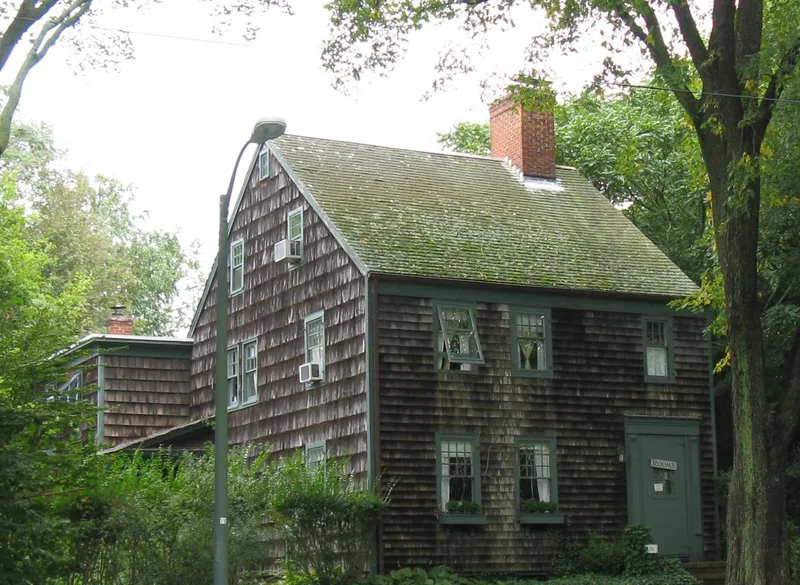
Pantigo Road, the main route linking East Hampton with Amagansett and Montauk, runs through this district in the northeast part of the village. It includes 27 contributing principal buildings and 16 outbuildings, alongside five non-contributing buildings. The houses range from the early eighteenth-century Dayton-Stratton House, a modified saltbox, to modest Colonial Revival, Craftsman and American four-square homes of the early twentieth century. Most are shingled and follow vernacular forms typical of their dates. At least four began as farmhouses, and several keep historic barns and outbuildings. Other houses were built for village mechanics and businessmen, such as a mill operator, a wagon maker and blacksmiths. Three Shingle style houses reflect the nearby summer colony. Deep setbacks and very old maple and elm trees forming a canopy over the road add to the rural character. Few changes have occurred within the district since 1920, which supports its listing as an intact record of local building traditions.
Machine-generated summary. This summary was generated by a language model from the official nomination document and has not been reviewed line by line by an editor. It may contain errors. Check the source document before relying on any detail. Source: nomination document (PDF) · catalog entry. Generated October 2026 (model claude-sonnet-5-5, prompt v1.0-2026-10-29).
| Period of significance | c. 1715-c. 1920 |
|---|---|
| Styles | Vernacular residential architecture, with Federal, Queen Anne, Shingle, Colonial Revival and Craftsman influences |
| Areas of significance | Architecture |
| Acreage | 45 |
| Boundary source | NPS cultural-resource GIS polygon |
| Full listing page | Pantigo Road Historic District (property record) |
What listing means for this property
This is a historic district. Buildings within its boundary are either contributing (they add to the district's significance) or non-contributing. Owners of contributing income-producing buildings can claim the 20% federal rehabilitation tax credit; homeowners should look at state credits. National Register districts impose no design review by themselves; a local historic district ordinance, if one exists, does (the difference explained).
General information, not legal or tax advice. Rules change; confirm with your State Historic Preservation Office or a qualified adviser.