Orient Historic District

Why it's listed
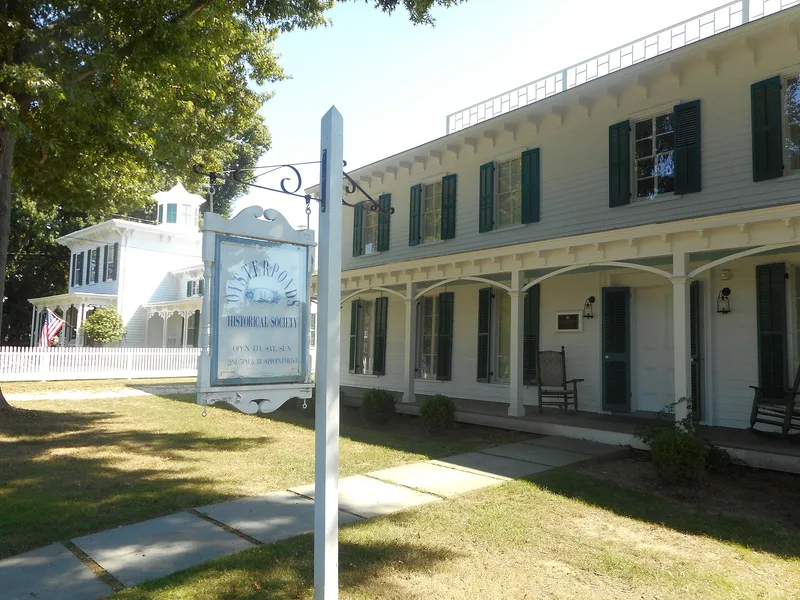
Orient Historic District covers about sixty acres at the heart of the hamlet of Orient, on the southwestern side of Long Island's north fork. It contains more than one hundred dwellings and public buildings built between the late eighteenth and late nineteenth centuries, all still in use. Cape Cod houses are the most common early type, joined by Federal, Greek Revival, Italianate and Second Empire examples and many vernacular frame buildings. Notable features include Orient Wharf, first built by Richard Shaw in 1740 and enlarged in 1829 and 1848, the Richard Shaw House of about 1730, and Poquatuck Hall of 1870. The district was recognized because it preserves the look and feel of a rural farming and maritime community. Its modest homes show little difference between wealthy and humble builders, commercial development has been nearly excluded, and picket fences and shade trees maintain a consistent setting despite suburban growth elsewhere in eastern Suffolk County.
Machine-generated summary. This summary was generated by a language model from the official nomination document and has not been reviewed line by line by an editor. It may contain errors. Check the source document before relying on any detail. Source: nomination document (PDF) · catalog entry. Generated October 2026 (model claude-sonnet-5-5, prompt v1.0-2026-10-29).
| Styles | Rural vernacular frame architecture, including Cape Cod cottages and adaptations of Federal, Greek Revival, Italianate and Second Empire styles |
|---|---|
| Areas of significance | Architecture |
| Acreage | 60 |
| Boundary source | NPS cultural-resource GIS polygon |
| Full listing page | Orient Historic District (property record) |
What listing means for this property
This is a historic district. Buildings within its boundary are either contributing (they add to the district's significance) or non-contributing. Owners of contributing income-producing buildings can claim the 20% federal rehabilitation tax credit; homeowners should look at state credits. National Register districts impose no design review by themselves; a local historic district ordinance, if one exists, does (the difference explained).
General information, not legal or tax advice. Rules change; confirm with your State Historic Preservation Office or a qualified adviser.