New York Botanical Gardens

Why it's listed
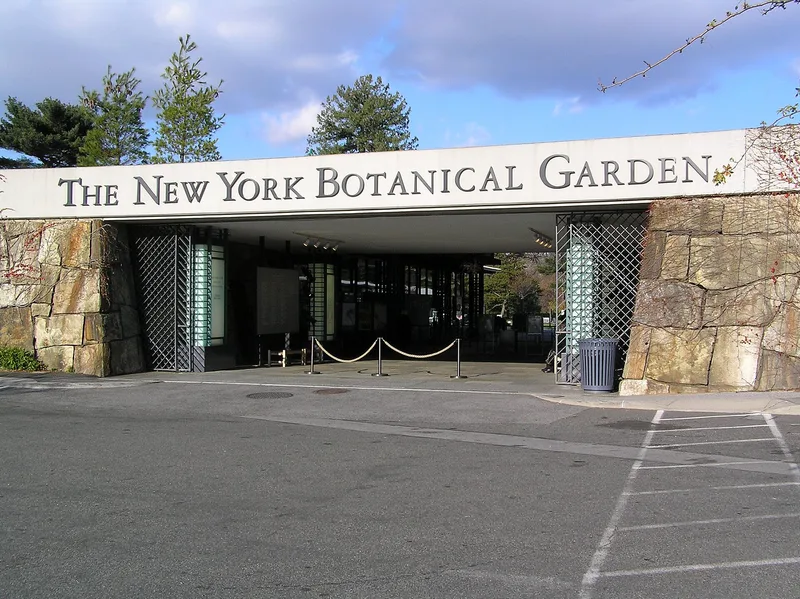
Covering 230 acres of rolling land along the Bronx River in Bronx Park, this botanical garden was established in 1896 and grew into one of the world's leading institutions of its kind. Its landscape includes a 40-acre virgin hemlock forest, a pinetum, a rose garden and a rock garden. Robert W. Gibson designed the Italian Renaissance museum building and the 512-foot glass conservatory with its 80-foot central dome. Carl Tefft's Fountain of Life stands in front of the museum. Part of the former Peter Lorillard estate was absorbed into the grounds, and the gatehouse, stables and an 1840 snuff mill survive. Under first director Nathaniel Lord Britton, the Garden built a herbarium of more than three million specimens and the largest botanical library in the Western Hemisphere. It also developed research laboratories, a publishing program and instruction ranging from children's classes to graduate training. The nomination judged it the largest and most significant botanical garden in the United States.
Machine-generated summary. This summary was generated by a language model from the official nomination document and has not been reviewed line by line by an editor. It may contain errors. Check the source document before relying on any detail. Source: nomination document (PDF) · catalog entry. Generated October 2026 (model claude-sonnet-5-5, prompt v1.0-2026-10-29).
| Period of significance | 1900- |
|---|---|
| Styles | Italian Renaissance (museum building) |
| Areas of significance | Education, Science |
| Acreage | 230 |
| Boundary source | NPS cultural-resource GIS polygon |
| Full listing page | New York Botanical Gardens (property record) |
What listing means for this property
This is a historic district. Buildings within its boundary are either contributing (they add to the district's significance) or non-contributing. Owners of contributing income-producing buildings can claim the 20% federal rehabilitation tax credit; homeowners should look at state credits. National Register districts impose no design review by themselves; a local historic district ordinance, if one exists, does (the difference explained).
General information, not legal or tax advice. Rules change; confirm with your State Historic Preservation Office or a qualified adviser.