Maple Grove Cemetery

Why it's listed
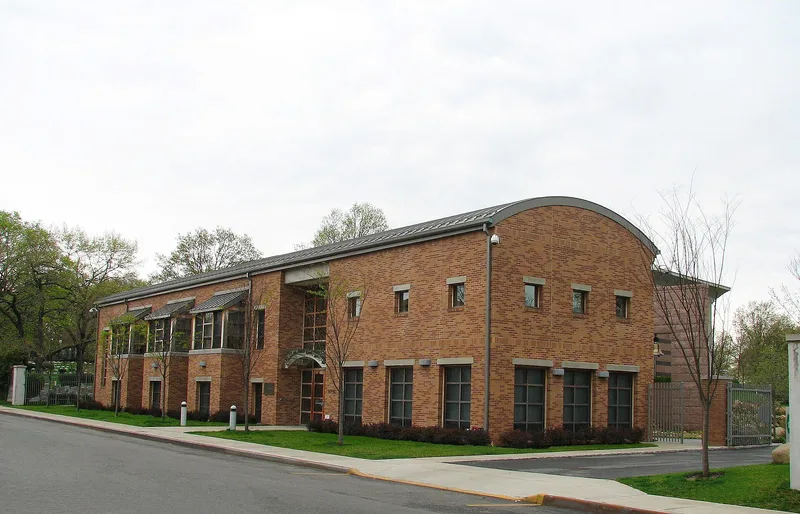
Maple Grove Cemetery covers 65 acres in Kew Gardens, Queens, and combines two distinct burial landscapes. Monumental Park, the northern third, was laid out in 1875 over hilly glacial terrain with winding roads, mature trees, stone monuments and a few mausolea, reflecting the rural cemetery movement. Memorial Park, the southern two-thirds, opened in 1943 and was completed in 1947 to plans by the Buffalo firm George W. McClure & Son. It has regraded lawns, flush bronze markers, a lake and themed gardens. Contributing buildings include the 1880 stone and shingle Administration Building by James E. Ware, a Queen Anne-inspired structure with a pyramidal-roofed belltower, an 1875 receiving vault also by Ware, and an 1831 blacksmith shop. The cemetery was founded by Brooklyn businessmen, operated its own quarry, and is tied to the growth of Richmond Hill and Kew Gardens. It holds about 83,000 burials, including many prominent local residents, and its grave markers show changing funerary styles from Victorian to Art Deco.
Machine-generated summary. This summary was generated by a language model from the official nomination document and has not been reviewed line by line by an editor. It may contain errors. Check the source document before relying on any detail. Source: nomination document (PDF) · catalog entry. Generated October 2026 (model claude-sonnet-5-5, prompt v1.0-2026-10-29).
| Period of significance | 1875-1947 |
|---|---|
| Styles | Queen Anne-inspired (Administration Building); otherwise N/A (landscape: rural cemetery and memorial park designs) |
| Areas of significance | Art, Landscape Architecture, Architecture, Social History |
| Acreage | 65 |
| Boundary source | NPS cultural-resource GIS polygon |
| Full listing page | Maple Grove Cemetery (property record) |
What listing means for this property
This is a historic district. Buildings within its boundary are either contributing (they add to the district's significance) or non-contributing. Owners of contributing income-producing buildings can claim the 20% federal rehabilitation tax credit; homeowners should look at state credits. National Register districts impose no design review by themselves; a local historic district ordinance, if one exists, does (the difference explained).
General information, not legal or tax advice. Rules change; confirm with your State Historic Preservation Office or a qualified adviser.