Lake George Avenue Historic District

Why it's listed
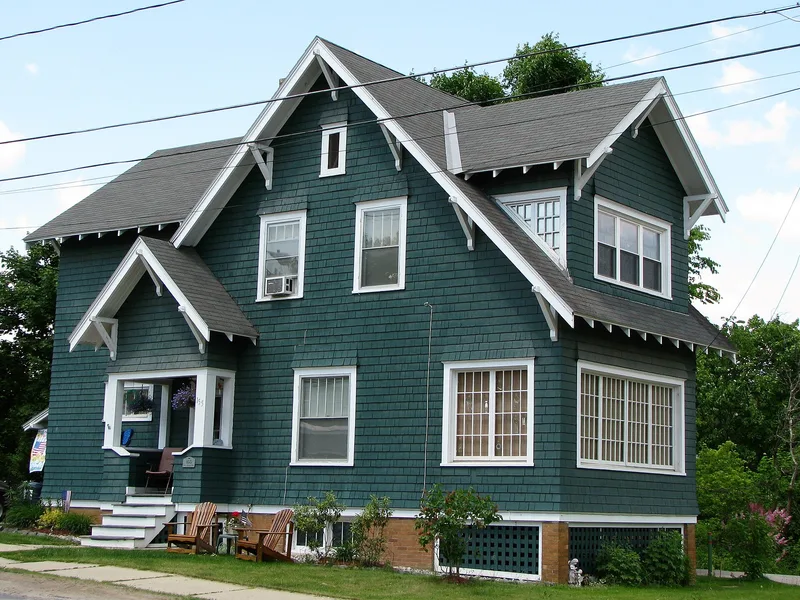
Lake George Avenue Historic District is a small residential neighborhood in Ticonderoga, New York, overlooking the LaChute River. It includes twelve houses and eight garages built between 1919 and 1921 by the Ticonderoga Pulp and Paper Company under local builder William A. Gale, originally to be rented to mill management. The wood-frame homes share clapboard and shingle siding, long sloping roofs over recessed porches, grouped windows, bracketed eaves and some Colonial Revival detailing. Gale used two standard plans, a rectangle and an L-shape, and varied the ready-made details on each house. Two older houses from the 1890s are within the boundary but do not contribute. The district is significant as a well-preserved example of company-sponsored workers' housing from the final phase of that tradition, and it relates closely to the Amherst Avenue district by the same builder. After the mills were demolished in the early 1970s, these homes remained as rare reminders of the local paper industry.
Machine-generated summary. This summary was generated by a language model from the official nomination document and has not been reviewed line by line by an editor. It may contain errors. Check the source document before relying on any detail. Source: nomination document (PDF) · catalog entry. Generated October 2026 (model claude-sonnet-5-5, prompt v1.0-2026-10-29).
| Period of significance | 1919-1921 |
|---|---|
| Styles | Bungalow |
| Areas of significance | Architecture |
| Acreage | 3 |
| Boundary source | NPS cultural-resource GIS polygon |
| Full listing page | Lake George Avenue Historic District (property record) |
What listing means for this property
This is a historic district. Buildings within its boundary are either contributing (they add to the district's significance) or non-contributing. Owners of contributing income-producing buildings can claim the 20% federal rehabilitation tax credit; homeowners should look at state credits. National Register districts impose no design review by themselves; a local historic district ordinance, if one exists, does (the difference explained).
General information, not legal or tax advice. Rules change; confirm with your State Historic Preservation Office or a qualified adviser.