Katonah Village Historic District

Why it's listed
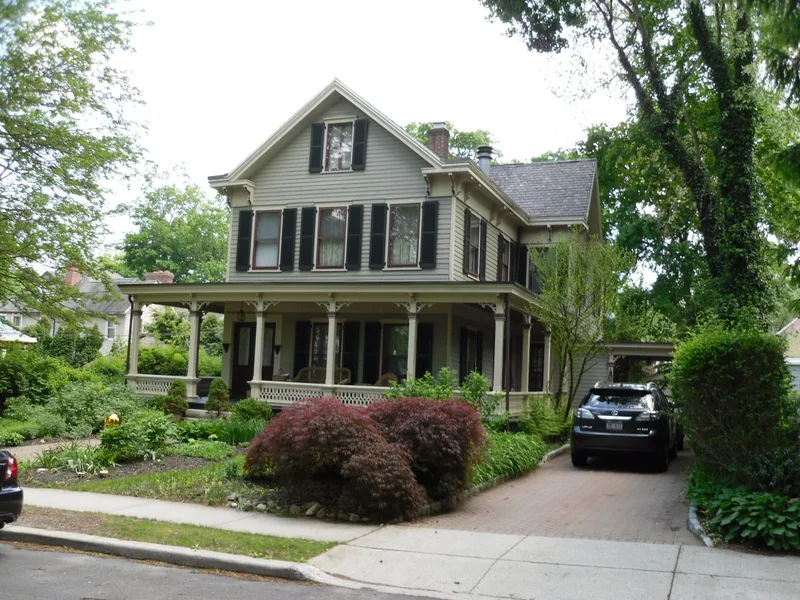
Katonah Village Historic District covers a cohesive residential area of thirty-eight structures in the village of Katonah, in the town of Bedford, Westchester County. It includes houses along Bedford Road, Valley Edge, Edgemont Road and Parkway, along with three churches, a library and a few combined residential and office buildings. Ten of the buildings, dating from about 1840 to 1885, were moved from the old village of Katonah, and most of them show Queen Anne styling. Nearly all the others were built between 1896 and 1910, many reflecting the Shingle style; seven were built by local carpenter and builder William H. Fowler. The Colonial Revival library, designed by Kerr Rainsford, was completed in 1928, and the stone First Presbyterian Church was designed by George Kramer. The district keeps its Olmsted-designed street plan of broad intersections, grassy malls and tree-lined streets, and it preserves evidence of the hamlet's resettlement and growth despite changes nearby from the I-684 highway.
Machine-generated summary. This summary was generated by a language model from the official nomination document and has not been reviewed line by line by an editor. It may contain errors. Check the source document before relying on any detail. Source: nomination document (PDF) · catalog entry. Generated October 2026 (model claude-sonnet-5-5, prompt v1.0-2026-10-29).
| Styles | Queen Anne, Shingle style, Colonial Revival, Neo-Gothic |
|---|---|
| Areas of significance | Landscape Architecture, Architecture |
| Acreage | 18 |
| Boundary source | NPS cultural-resource GIS polygon |
| Full listing page | Katonah Village Historic District (property record) |
What listing means for this property
This is a historic district. Buildings within its boundary are either contributing (they add to the district's significance) or non-contributing. Owners of contributing income-producing buildings can claim the 20% federal rehabilitation tax credit; homeowners should look at state credits. National Register districts impose no design review by themselves; a local historic district ordinance, if one exists, does (the difference explained).
General information, not legal or tax advice. Rules change; confirm with your State Historic Preservation Office or a qualified adviser.