Jerome Park Reservoir

Why it's listed
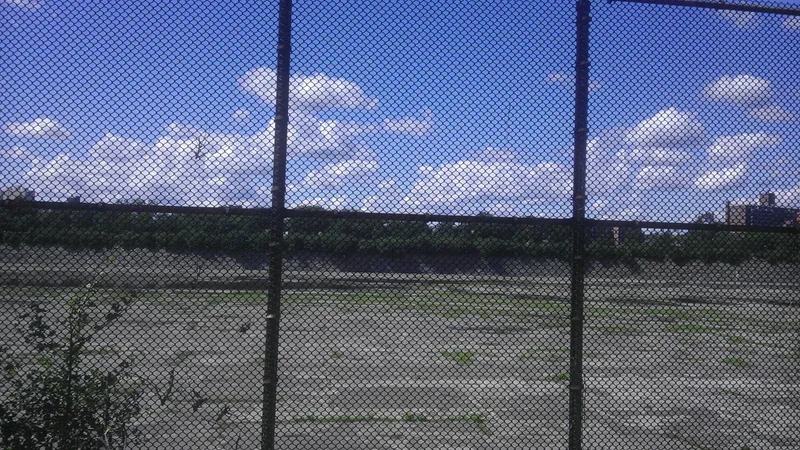
Jerome Park Reservoir is a 125-acre reservoir-park in the northwest Bronx, built between 1895 and 1906 as part of the Croton Aqueduct system. About 94 acres of open water sit within massive quarried-stone walls and a northern core wall dam with earthen embankments. The east wall, along Goulden Avenue, encloses both the Old and New Croton Aqueducts; the older aqueduct was removed and rebuilt inside the new wall about 1899. Gate houses in a Roman-inspired style, with voussoir arches and rock-face granite, control the water, and their brick superstructures were added by the WPA in 1938 in a restrained Art Deco manner. Landscaping includes retaining walls, gateposts, iron fences, terraces and rock outcroppings. The district includes 19 contributing resources and is described as reflecting Frederick Law Olmsted's ideas about combining reservoirs with parks. Adjacent parks were later carved from the original grounds, and the reservoir has been fenced off since World War II.
Machine-generated summary. This summary was generated by a language model from the official nomination document and has not been reviewed line by line by an editor. It may contain errors. Check the source document before relying on any detail. Source: nomination document (PDF) · catalog entry. Generated October 2026 (model claude-sonnet-5-5, prompt v1.0-2026-10-29).
| Styles | Late Victorian: Civic Roman-inspired design; Modern Movement: Art Deco; Late 19th and Early 20th Century Landscaping: The Pleasure Ground movement |
|---|---|
| Areas of significance | Engineering, Architecture, Community Planning and Development, Landscape Architecture, Entertainment/Recreation |
| Acreage | 130 |
| Boundary source | NPS cultural-resource GIS polygon |
| Full listing page | Jerome Park Reservoir (property record) |
What listing means for this property
This is a historic district. Buildings within its boundary are either contributing (they add to the district's significance) or non-contributing. Owners of contributing income-producing buildings can claim the 20% federal rehabilitation tax credit; homeowners should look at state credits. National Register districts impose no design review by themselves; a local historic district ordinance, if one exists, does (the difference explained).
General information, not legal or tax advice. Rules change; confirm with your State Historic Preservation Office or a qualified adviser.