Cragsmoor Historic District

Why it's listed
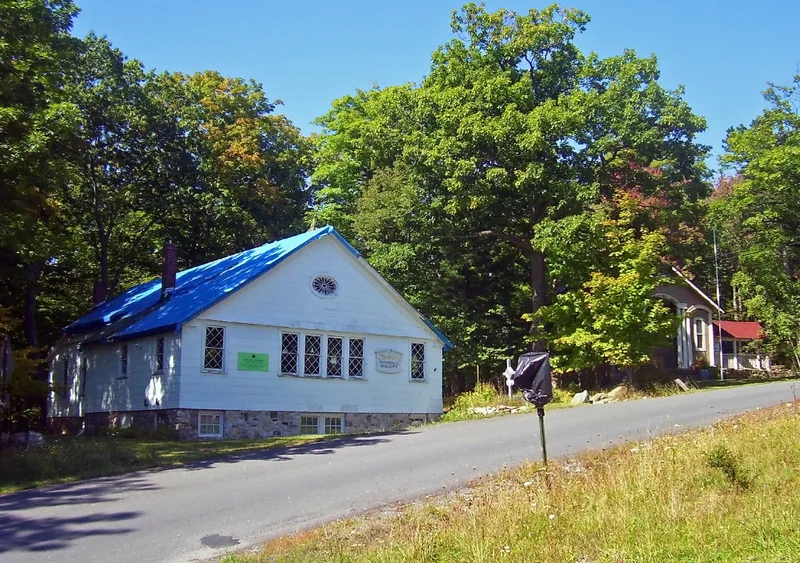
Cragsmoor is a mountaintop hamlet on the Shawangunk ridge in Ulster County, New York, about five miles from Ellenville. The historic district covers roughly 362 acres and includes 107 properties with 168 contributing buildings, 15 structures, 11 objects and 16 sites, along with 63 non-contributing features. Its resources include summer cottages, a chapel, a library, a cemetery and artists' studios. The hamlet grew from a small settlement of year-round wooden houses, such as Orchard Cottage, built around 1824, into a summer colony of artists and other creative people beginning in the late nineteenth century. Painter E. L. Henry first visited in the 1870s and encouraged relatives and New York associates to follow. The railroad spur to Ellenville, opened in 1871, made the trip from New York City possible. The colony thrived until the 1940s, and Shawangunk stone appears in many of its homes. The district is recognized for this artistic community and its architecture.
Machine-generated summary. This summary was generated by a language model from the official nomination document and has not been reviewed line by line by an editor. It may contain errors. Check the source document before relying on any detail. Source: nomination document (PDF) · catalog entry. Generated October 2026 (model claude-sonnet-5-5, prompt v1.0-2026-10-29).
| Styles | Federal; Late Victorian: Shingle, Queen Anne; Late 19th and Early 20th Century Revivals: Colonial Revival |
|---|---|
| Areas of significance | Architecture, Art, Community Planning and Development, Conservation, Education |
| Acreage | 362 |
| Boundary source | NPS cultural-resource GIS polygon |
| Full listing page | Cragsmoor Historic District (property record) |
What listing means for this property
This is a historic district. Buildings within its boundary are either contributing (they add to the district's significance) or non-contributing. Owners of contributing income-producing buildings can claim the 20% federal rehabilitation tax credit; homeowners should look at state credits. National Register districts impose no design review by themselves; a local historic district ordinance, if one exists, does (the difference explained).
General information, not legal or tax advice. Rules change; confirm with your State Historic Preservation Office or a qualified adviser.