Cornell Heights Historic District

Why it's listed
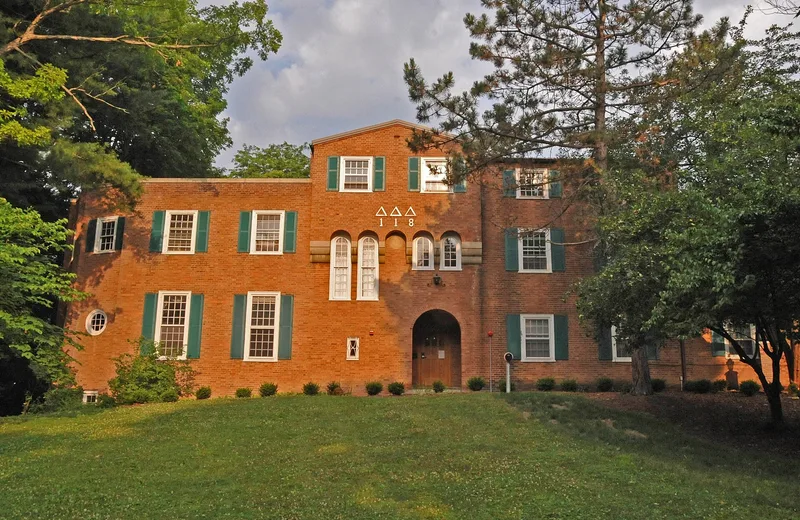
Cornell Heights is a planned residential neighborhood on a high plateau north of the Fall Creek gorge, directly across from Cornell University in Ithaca, New York. A small part lies in the village of Cayuga Heights. Laid out in two phases on a curving street plan under a landscape architect, it was conceived as a residence park for university faculty and other local professionals. Most houses date from 1898 to the early 1940s, and many were designed by architects or built individually by local contractors rather than from standard plans. Colonial Revival, Craftsman and Tudor Revival styles predominate, with Prairie and Mission influences, and stucco and shingle are the common materials. The original street plan, mature conifers and shade trees, and stone retaining walls survive. The district has 209 contributing and 24 noncontributing resources. It was listed for its architecture, landscape design and role in the planned growth of the community.
Machine-generated summary. This summary was generated by a language model from the official nomination document and has not been reviewed line by line by an editor. It may contain errors. Check the source document before relying on any detail. Source: nomination document (PDF) · catalog entry. Generated October 2026 (model claude-sonnet-5-5, prompt v1.0-2026-10-29).
| Period of significance | 1898-ca. 1942 |
|---|---|
| Styles | Late 19th and 20th century revivals; Tudor Revival; Colonial Revival; Mission; Late 19th & early 20th Century American Movement; Prairie School; Arts & Crafts |
| Areas of significance | Community Planning and Development, Landscape Architecture, Architecture |
| Acreage | 133 |
| Boundary source | NPS cultural-resource GIS polygon |
| Full listing page | Cornell Heights Historic District (property record) |
What listing means for this property
This is a historic district. Buildings within its boundary are either contributing (they add to the district's significance) or non-contributing. Owners of contributing income-producing buildings can claim the 20% federal rehabilitation tax credit; homeowners should look at state credits. National Register districts impose no design review by themselves; a local historic district ordinance, if one exists, does (the difference explained).
General information, not legal or tax advice. Rules change; confirm with your State Historic Preservation Office or a qualified adviser.