Wrentham State School

Why it's listed
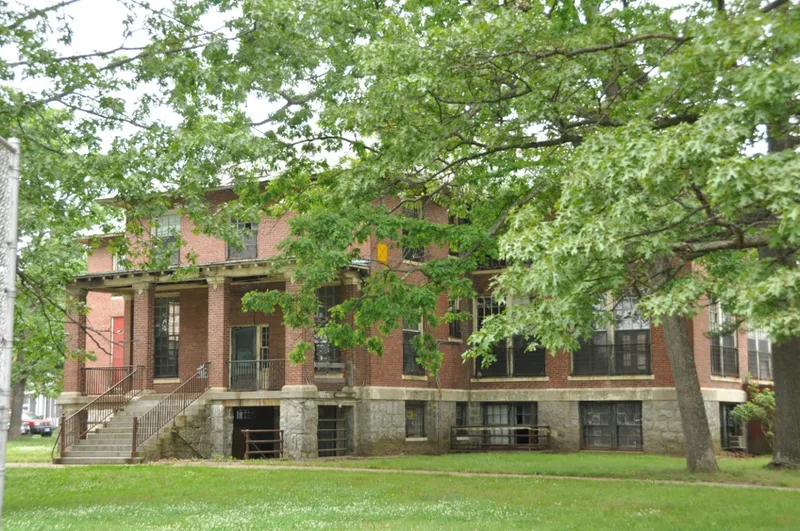
Wrentham State School is a 700-acre campus north of Wrentham center, laid out around landscaped greens with red-brick wards, staff housing, an administration building, an auditorium, vocational workshops, an infirmary, and a working farm area. Authorized in 1906 as Massachusetts' second school for the "feeble-minded," it opened in 1910 and grew under Superintendent Dr. George L. Wallace, who served from 1907 to 1930. Kendall & Taylor designed most buildings, which progress from Craftsman-style cruciform wards to Colonial Revival structures of the 1920s and 1930s. Early pupils from the Fernald School helped build and outfit the campus. The school was the state's first to use standardized plans for wards and employee housing, which Belchertown State School later adopted. Farming supplied vegetables, eggs, milk and meat. Some buildings have been lost and later additions made, but the layout and early character remain. It was listed for its role in educating developmentally disabled children and for its architecture, with a significance period of 1906 to 1940.
Machine-generated summary. This summary was generated by a language model from the official nomination document and has not been reviewed line by line by an editor. It may contain errors. Check the source document before relying on any detail. Source: nomination document (PDF) · catalog entry. Generated October 2026 (model claude-sonnet-5-5, prompt v1.0-2026-10-29).
| Period of significance | 1906-1940 |
|---|---|
| Styles | Early Republic - Federal; Colonial Revival; Craftsman |
| Areas of significance | Agriculture, Architecture, Education, Health/Medicine, Social History |
| Acreage | 700 |
| Boundary source | NPS cultural-resource GIS polygon |
| Full listing page | Wrentham State School (property record) |
What listing means for this property
This is a historic district. Buildings within its boundary are either contributing (they add to the district's significance) or non-contributing. Owners of contributing income-producing buildings can claim the 20% federal rehabilitation tax credit; homeowners should look at state credits. National Register districts impose no design review by themselves; a local historic district ordinance, if one exists, does (the difference explained).
General information, not legal or tax advice. Rules change; confirm with your State Historic Preservation Office or a qualified adviser.