Winchendon Village Historic District

Why it's listed
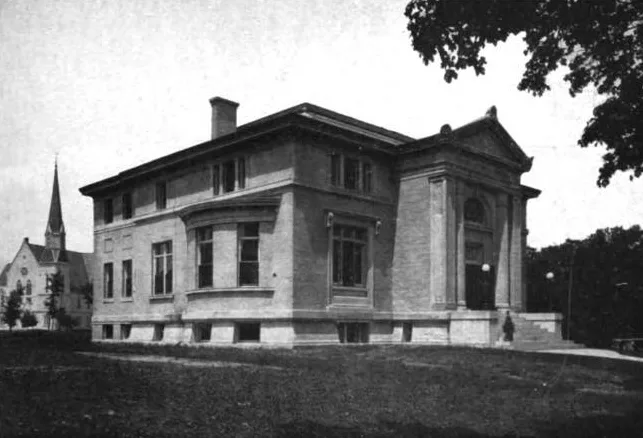
Winchendon Village Historic District occupies the lower ends of Front and Central Streets in Winchendon, Massachusetts, on a level plain in the Miller's River valley. It includes 42 contributing resources, mostly two-and-a-half-story frame buildings. Front Street's eastern end holds early nineteenth-century Federal and Greek Revival houses, set apart from the commercial blocks by American Legion Park. Italianate brick and frame business buildings line Front and Central Streets, alongside the Town Hall, the former Fire Station, the North Congregational Church of 1843 and the Gothic Revival Church of the Unity of 1866. The village grew as the commercial and civic focus of the town as institutions moved from the old center, helped by the Cheshire Railroad station opened in 1848 and by woodenware manufacturing. Local figures such as Ephraim Murdock built many houses and the Winchendon Academy. Most buildings remain in very good condition, with a consistent streetscape, though some storefronts and facades have been altered.
Machine-generated summary. This summary was generated by a language model from the official nomination document and has not been reviewed line by line by an editor. It may contain errors. Check the source document before relying on any detail. Source: nomination document (PDF) · catalog entry. Generated October 2026 (model claude-sonnet-5-5, prompt v1.0-2026-10-29).
| Styles | Federal; Greek Revival; Italianate; Colonial Revival |
|---|---|
| Areas of significance | Commerce, Architecture |
| Acreage | 15.9 |
| Boundary source | NPS cultural-resource GIS polygon |
| Full listing page | Winchendon Village Historic District (property record) |
What listing means for this property
This is a historic district. Buildings within its boundary are either contributing (they add to the district's significance) or non-contributing. Owners of contributing income-producing buildings can claim the 20% federal rehabilitation tax credit; homeowners should look at state credits. National Register districts impose no design review by themselves; a local historic district ordinance, if one exists, does (the difference explained).
General information, not legal or tax advice. Rules change; confirm with your State Historic Preservation Office or a qualified adviser.