Templeton Farm Colony

Why it's listed
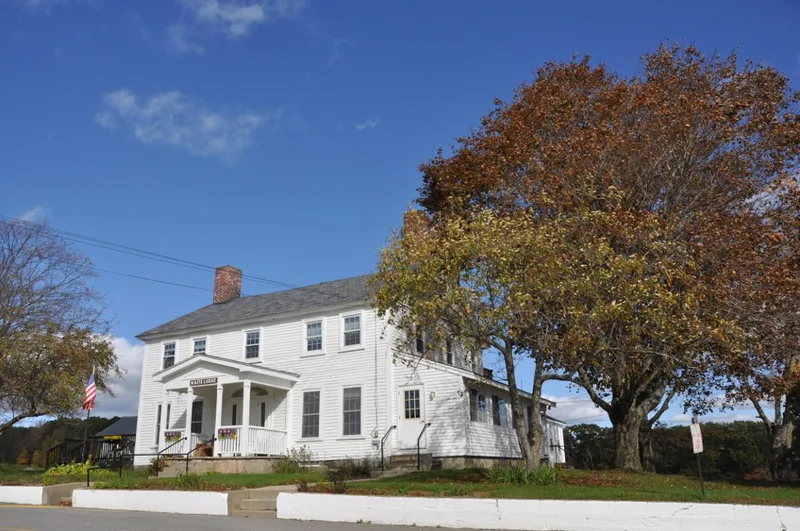
Templeton Farm Colony is a 2,600-acre district of hilltop farmsteads, fields, orchards and woodland in Templeton and Phillipston. The state purchased the first 1,660 acres in 1899 for the Fernald School of Waltham, which wanted a place where trained adult men with no prospect of outside living could do supervised farm work in a healthy setting. Seven existing farmhouses and three barns became the core of four colonies: Eliot, Brook, Narragansett and Farm. Architect William G. Preston added wings and dormitories that matched the scale and materials of the old houses, including the 1763 Church Farmhouse, a standout example of its type. Clearing, orchards and white pine plantings shaped the landscape, and its pattern survives remarkably intact. Later changes include modern dormitories built in the late 1960s at Narragansett and the loss of early dormitories at the Farm and Eliot Colonies. The district was recognized for its well-preserved agricultural setting and its role in the state school system between 1899 and 1940.
Machine-generated summary. This summary was generated by a language model from the official nomination document and has not been reviewed line by line by an editor. It may contain errors. Check the source document before relying on any detail. Source: nomination document (PDF) · catalog entry. Generated October 2026 (model claude-sonnet-5-5, prompt v1.0-2026-10-29).
| Period of significance | 1899-1940 |
|---|---|
| Styles | Early Republic/Federal; Late 19th & Early 20th Century American/Craftsman; Other/Utilitarian |
| Areas of significance | Health/Medicine, Social History, Architecture, Agriculture |
| Acreage | 2600 |
| Boundary source | NPS cultural-resource GIS polygon |
| Full listing page | Templeton Farm Colony (property record) |
What listing means for this property
This is a historic district. Buildings within its boundary are either contributing (they add to the district's significance) or non-contributing. Owners of contributing income-producing buildings can claim the 20% federal rehabilitation tax credit; homeowners should look at state credits. National Register districts impose no design review by themselves; a local historic district ordinance, if one exists, does (the difference explained).
General information, not legal or tax advice. Rules change; confirm with your State Historic Preservation Office or a qualified adviser.