Springfield Street Historic District

Why it's listed
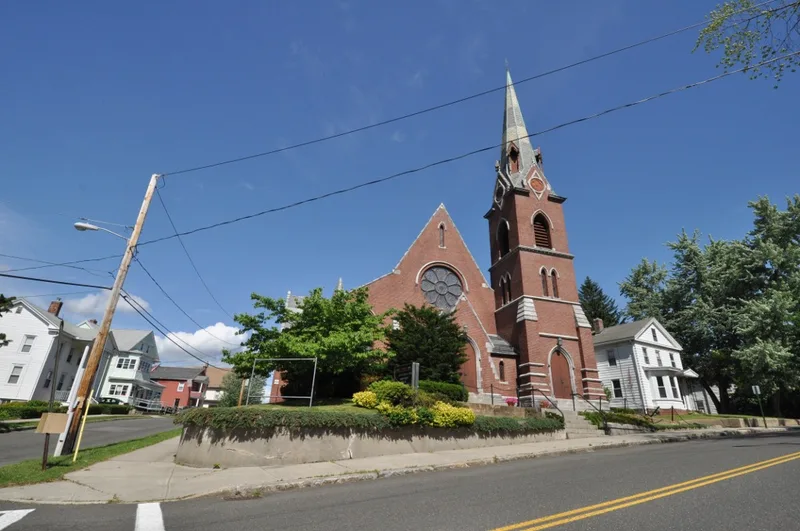
Springfield Street Historic District occupies a hill above the Chicopee River and the mill area of Chicopee Center, Massachusetts. It holds about 200 principal buildings, many outbuildings, four churches and Maple Grove Cemetery, with most construction dating from 1830 to 1930. Development began after industrialists from Boston harnessed the river's water power in the 1830s. Small Greek Revival houses were built on the lower, northern streets for mill overseers, machinists and tradespeople. Larger Italianate, Second Empire, Queen Anne and Colonial Revival homes followed on the upper slope for wealthier residents. The pattern moves from tight, urban streets toward spacious, suburban lots, though modest and grand houses often stand close together. Builder Charles McClallan shaped much of the area, including the Gilmore carriage shops, later used by a bronze foundry. The district is valued as a record of Chicopee's industrial growth. Many large houses remain well preserved, while vernacular buildings have often been altered by siding and additions.
Machine-generated summary. This summary was generated by a language model from the official nomination document and has not been reviewed line by line by an editor. It may contain errors. Check the source document before relying on any detail. Source: nomination document (PDF) · catalog entry. Generated October 2026 (model claude-sonnet-5-5, prompt v1.0-2026-10-29).
| Styles | Greek Revival predominant; also Federal, Gothic Revival, Italianate, Second Empire, Queen Anne, Stick, Colonial Revival, Classical Revival, Tudor Revival and others |
|---|---|
| Areas of significance | Industry, Community Planning and Development, Art, Education, European, Politics/Government, Architecture, Religion |
| Acreage | 62 |
| Boundary source | NPS cultural-resource GIS polygon |
| Full listing page | Springfield Street Historic District (property record) |
What listing means for this property
This is a historic district. Buildings within its boundary are either contributing (they add to the district's significance) or non-contributing. Owners of contributing income-producing buildings can claim the 20% federal rehabilitation tax credit; homeowners should look at state credits. National Register districts impose no design review by themselves; a local historic district ordinance, if one exists, does (the difference explained).
General information, not legal or tax advice. Rules change; confirm with your State Historic Preservation Office or a qualified adviser.