Spencer Town Center Historic District (Boundary Increase)

Why it's listed
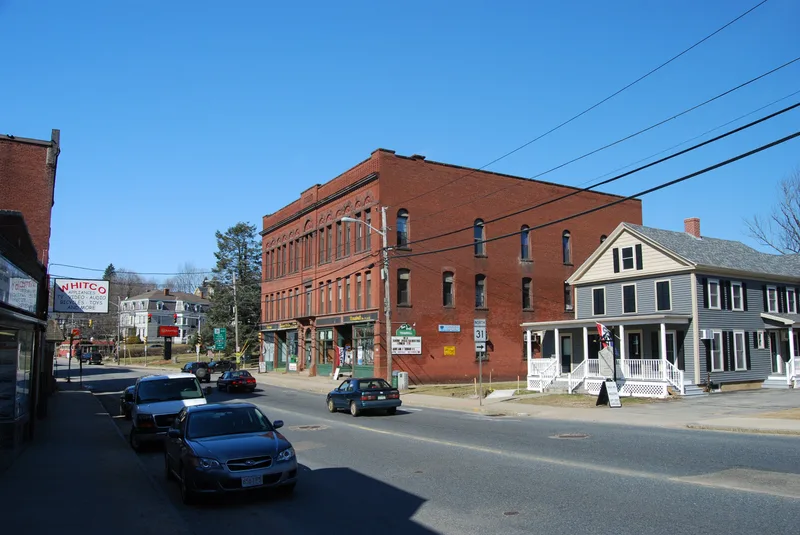
This boundary increase enlarges the Spencer Town Center Historic District in Worcester County, Massachusetts, adding parts of Pleasant, High, Prouty, Grove, Mechanic, Cherry, Wall and West Main Streets. The residential streets developed during the industrial boom of the 1870s to 1890s and are lined with frame houses set back under mature street trees. Surviving houses include a Federal-era former inn at 1 High Street, Greek Revival and Gothic Revival homes, and many Italianate examples. Hills drew residential building, while a bowl-shaped, stream-fed area to the south became the site of industry. Cherry, Wall and Mechanic Streets hold a mix of light industrial and commercial buildings, many with original or early storefronts and uses. Boot and shoe making, begun by Josiah Green and Isaac Prouty, along with spinning and wire mills, supported the neighborhood's growth. The area has 131 contributing resources, and the high level of preservation, especially the general absence of artificial siding, helped justify its inclusion.
Machine-generated summary. This summary was generated by a language model from the official nomination document and has not been reviewed line by line by an editor. It may contain errors. Check the source document before relying on any detail. Source: nomination document (PDF) · catalog entry. Generated October 2026 (model claude-sonnet-5-5, prompt v1.0-2026-10-29).
| Styles | Federal, Greek Revival, Gothic Revival, Italian Villa, Italianate, Second Empire, Queen Anne, Colonial Revival, Bungalow, Moderne |
|---|---|
| Areas of significance | Architecture, Industry, Community Planning and Development |
| Acreage | 46.1 |
| Boundary source | NPS cultural-resource GIS polygon |
| Full listing page | Spencer Town Center Historic District (Boundary Increase) (property record) |
What listing means for this property
This is a historic district. Buildings within its boundary are either contributing (they add to the district's significance) or non-contributing. Owners of contributing income-producing buildings can claim the 20% federal rehabilitation tax credit; homeowners should look at state credits. National Register districts impose no design review by themselves; a local historic district ordinance, if one exists, does (the difference explained).
General information, not legal or tax advice. Rules change; confirm with your State Historic Preservation Office or a qualified adviser.