Sheffield Center Historic District

Why it's listed
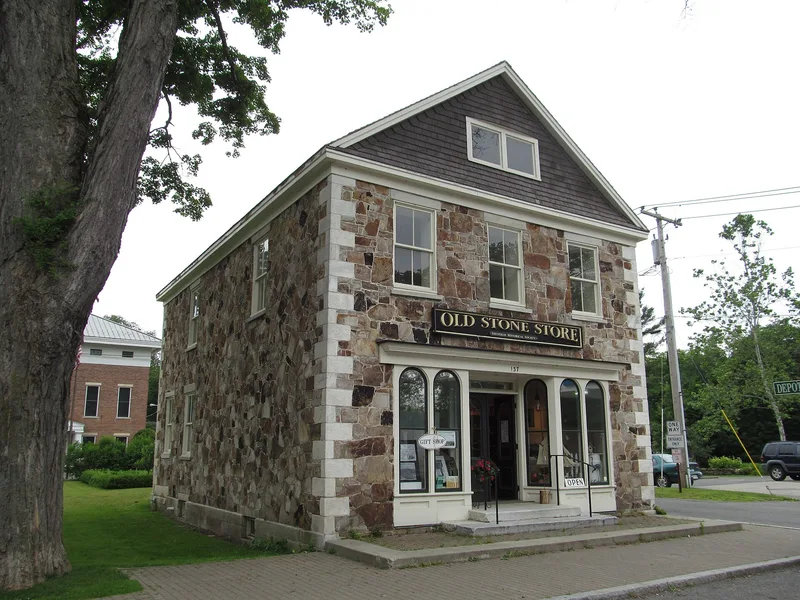
Sheffield Center is the commercial, civic and religious heart of Sheffield, Massachusetts, strung along about 1.2 miles of Route 7, known locally as Main Street. Its 117 acres hold 128 buildings, including brick Georgian houses from the 1770s, Federal and Greek Revival homes, Victorian farmhouses, four churches, a town hall, a library and the first high school in Berkshire County. The Old Parish Church, built in 1760 as the town's second meetinghouse, drew settlement away from Sheffield Plain and became the village focus. In 1773 residents met there to adopt the Sheffield Declaration, a statement of grievances against Great Britain. Attorney Theodore Sedgwick, whose house stands in the district, argued the 1781 case that won freedom for two enslaved Sheffield residents, Brom and Bett. Stores and other commercial buildings arrived in the 1830s. The Village Green, Barnard Park and Barnard Cemetery, with stones dating from 1756, provide open space within the district.
Machine-generated summary. This summary was generated by a language model from the official nomination document and has not been reviewed line by line by an editor. It may contain errors. Check the source document before relying on any detail. Source: nomination document (PDF) · catalog entry. Generated October 2026 (model claude-sonnet-5-5, prompt v1.0-2026-10-29).
| Styles | Colonial/Georgian; Early Republic/Federal; Mid-19th century/Greek Revival; Late Victorian/Queen Anne; Late 19th & 20th Century Revivals/Colonial Revival |
|---|---|
| Areas of significance | Community Planning and Development, Commerce, Transportation, Architecture, Social History |
| Acreage | 117 |
| Boundary source | NPS cultural-resource GIS polygon |
| Full listing page | Sheffield Center Historic District (property record) |
What listing means for this property
This is a historic district. Buildings within its boundary are either contributing (they add to the district's significance) or non-contributing. Owners of contributing income-producing buildings can claim the 20% federal rehabilitation tax credit; homeowners should look at state credits. National Register districts impose no design review by themselves; a local historic district ordinance, if one exists, does (the difference explained).
General information, not legal or tax advice. Rules change; confirm with your State Historic Preservation Office or a qualified adviser.