Royalston Common Historic District

Why it's listed
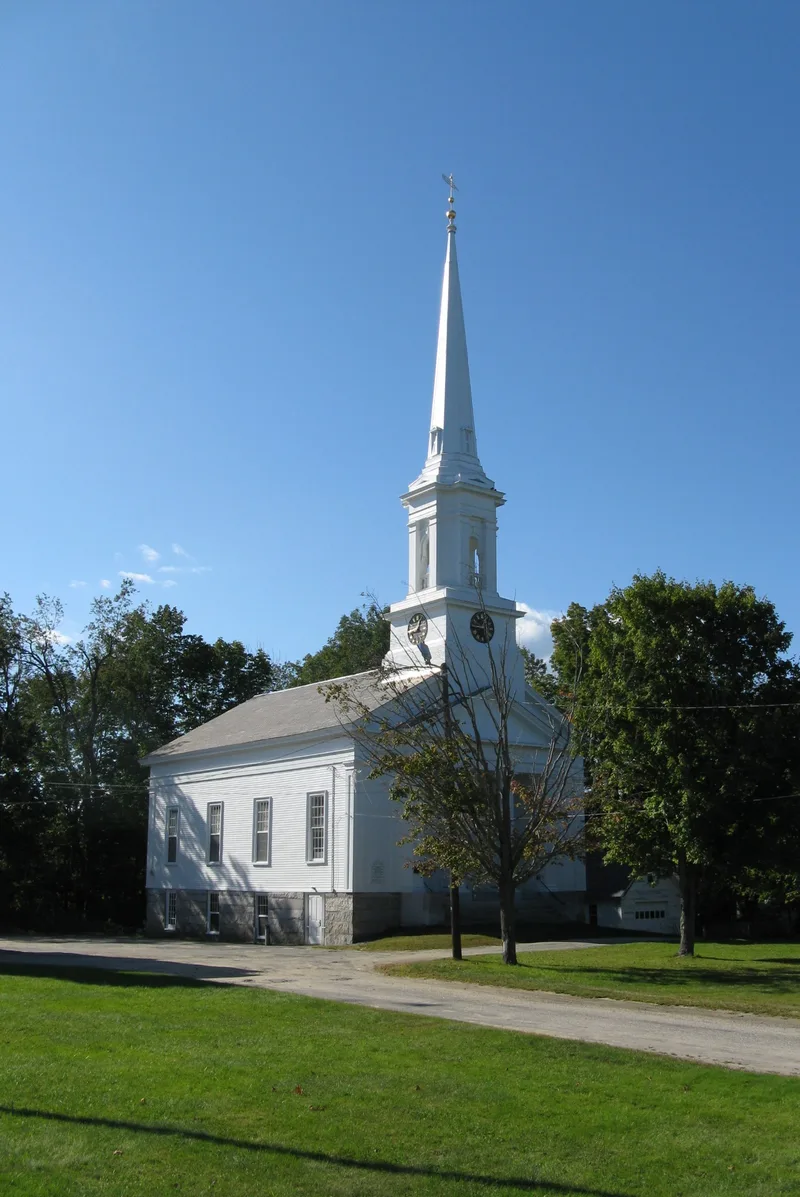
Royalston Common is a village center of 34 buildings grouped around a triangular common in north-central Massachusetts, surrounded by fields, woods and hills. Twenty-eight are houses, four are public buildings and two are large barns. Most were built before or during the mid-1800s in Federal and Greek Revival styles, with white clapboard siding, symmetrical facades and fanlit doorways. Notable buildings include the Federal Bullock Mansion of 1807, the Greek Revival First Congregational Church of 1851 designed by local architect Chauncey Chase, and the Second Empire Town Hall of 1867. The common was laid out after a group of Bostonians bought the land in 1752 and were required to provide a meetinghouse, training field and burying ground. The village briefly served as a marketplace around 1800, then became residential as mill owners from South Royalston built houses and public buildings between 1830 and 1860. It was listed for its architecture and community planning.
Machine-generated summary. This summary was generated by a language model from the official nomination document and has not been reviewed line by line by an editor. It may contain errors. Check the source document before relying on any detail. Source: nomination document (PDF) · catalog entry. Generated October 2026 (model claude-sonnet-5-5, prompt v1.0-2026-10-29).
| Period of significance | 1800-1899 |
|---|---|
| Styles | Federal and Greek Revival, with a Second Empire town hall and a few later buildings |
| Areas of significance | Community Planning and Development, Architecture |
| Acreage | 30 |
| Boundary source | NPS cultural-resource GIS polygon |
| Full listing page | Royalston Common Historic District (property record) |
What listing means for this property
This is a historic district. Buildings within its boundary are either contributing (they add to the district's significance) or non-contributing. Owners of contributing income-producing buildings can claim the 20% federal rehabilitation tax credit; homeowners should look at state credits. National Register districts impose no design review by themselves; a local historic district ordinance, if one exists, does (the difference explained).
General information, not legal or tax advice. Rules change; confirm with your State Historic Preservation Office or a qualified adviser.