Prospect-Gaylord Historic District

Why it's listed
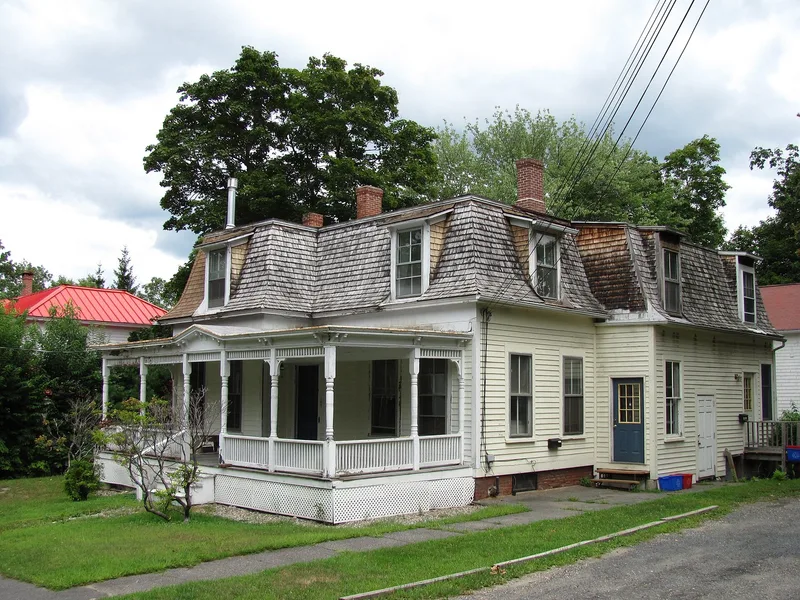
Prospect, Gaylord and Amity Streets form a residential neighborhood one block west of Amherst's central business district. The area took shape in the 1820s, when small lots along Amity and South Prospect Streets were divided from larger farm parcels, many sold by College and Academy trustees to artisans such as cabinetmakers, a shoemaker and a carpenter. Greek Revival houses, including the brick Solomon Pitkin House of about 1833, cluster along Amity Street. Later in the century, business families built Italianate and Queen Anne houses on North Prospect Street, and Gaylord Street lots were developed around 1900. The district counts 58 contributing and 10 noncontributing buildings. Only one residential building postdates 1940, and only four older houses lost their character through insensitive remodeling. A funeral home, dentists' offices and the American Legion occupy a few buildings, and many houses are now apartments. Its intact 19th century streetscape beside a busy downtown is the main reason for its recognition.
Machine-generated summary. This summary was generated by a language model from the official nomination document and has not been reviewed line by line by an editor. It may contain errors. Check the source document before relying on any detail. Source: nomination document (PDF) · catalog entry. Generated October 2026 (model claude-sonnet-5-5, prompt v1.0-2026-10-29).
| Styles | Greek Revival; Italianate; Colonial Revival (also Queen Anne and Federal examples) |
|---|---|
| Areas of significance | Education, Architecture, Social History |
| Acreage | 18.6 |
| Boundary source | NPS cultural-resource GIS polygon |
| Full listing page | Prospect-Gaylord Historic District (property record) |
What listing means for this property
This is a historic district. Buildings within its boundary are either contributing (they add to the district's significance) or non-contributing. Owners of contributing income-producing buildings can claim the 20% federal rehabilitation tax credit; homeowners should look at state credits. National Register districts impose no design review by themselves; a local historic district ordinance, if one exists, does (the difference explained).
General information, not legal or tax advice. Rules change; confirm with your State Historic Preservation Office or a qualified adviser.