Parsons, Shepherd and Damon, Houses Historic District

The National Park Service has not published a boundary polygon for this district; the map shows the listed properties inside it and the district's reference point.
Why it's listed
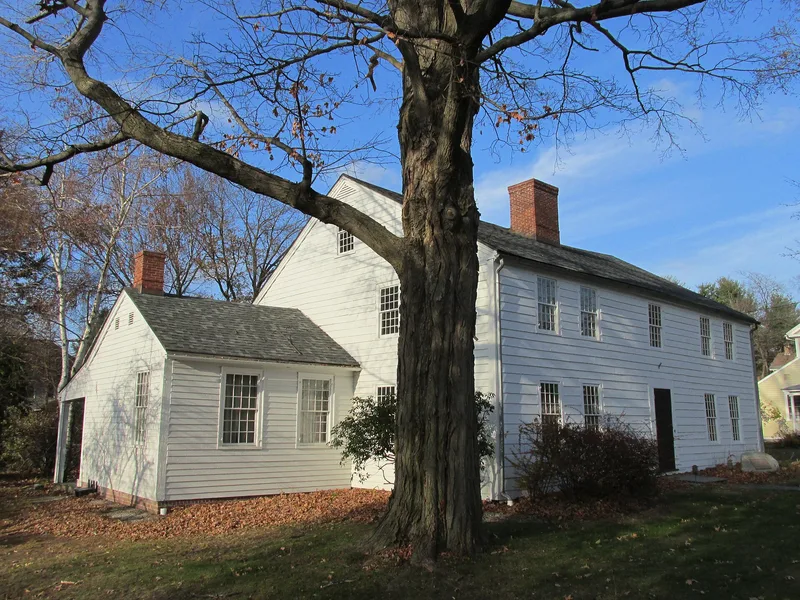
Three neighboring houses on Bridge Street in Northampton, Massachusetts, form a small historic district on part of a home lot laid out in 1654. The Nathaniel Parsons House, begun around 1730, is possibly the city's oldest residence and was remodeled in the Federal period. The Shepherd House, from about 1796, is a Federal-style home with later Greek Revival and Gothic Revival features and a Colonial Revival porch. The Isaac Damon House, built around 1813, was the residence of a prominent regional architect-builder who also constructed churches, courthouses and town halls across western Massachusetts. Damon is described as one of the leaders of local architect-builders who shaped Federal architecture in the Connecticut River Valley. All three houses remain on their original sites and are used as museums, with offices, exhibits and period furnishings. The district was recognized for its architecture and its social history, covering the years from about 1730 to 1951.
Machine-generated summary. This summary was generated by a language model from the official nomination document and has not been reviewed line by line by an editor. It may contain errors. Check the source document before relying on any detail. Source: nomination document (PDF) · catalog entry. Generated October 2026 (model claude-sonnet-5-5, prompt v1.0-2026-10-29).
| Period of significance | ca. 1730-1951 |
|---|---|
| Styles | First Period; Federal |
| Areas of significance | Architecture, Social History |
| Acreage | 2.5 |
| Boundary source | not published |
| Full listing page | Parsons, Shepherd and Damon, Houses Historic District (property record) |
What listing means for this property
This is a historic district. Buildings within its boundary are either contributing (they add to the district's significance) or non-contributing. Owners of contributing income-producing buildings can claim the 20% federal rehabilitation tax credit; homeowners should look at state credits. National Register districts impose no design review by themselves; a local historic district ordinance, if one exists, does (the difference explained).
General information, not legal or tax advice. Rules change; confirm with your State Historic Preservation Office or a qualified adviser.