Old Billerica Road Historic District

Why it's listed
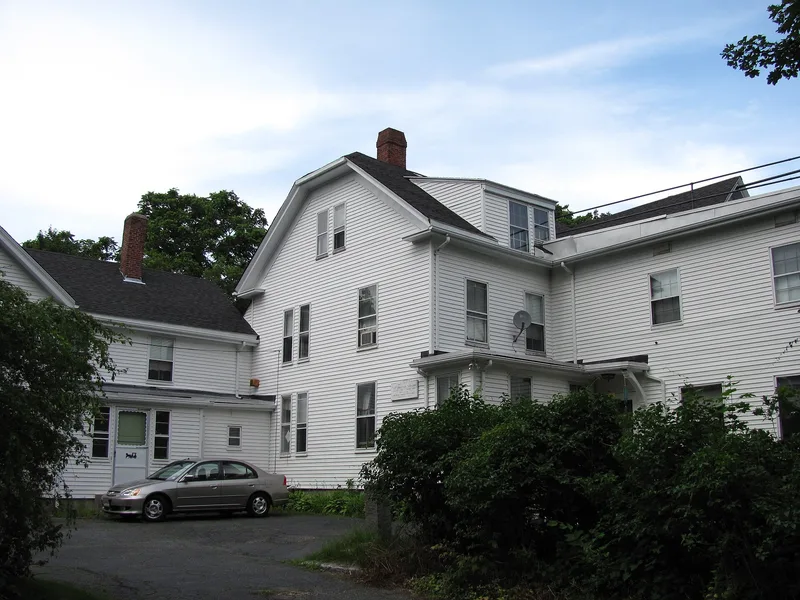
Old Billerica Road in northeast Bedford, Massachusetts, is lined with detached single-family houses, a church, old fieldstone walls and rows of mature maples across about 67 acres. The earliest building is the Michael Bacon House, begun in 1671, and later houses include Georgian, Victorian, Colonial Revival, Cape and Modernist designs. The district matters because it records the shift from small family farms to a suburban neighborhood. In the 1860s the Clifton Stock Farm introduced large-scale, professionally managed agriculture serving the Boston market. From the 1890s the Parker family acquired most of the land, holding more than 350 acres by 1911. They ran a dairy herd, greenhouses and a stable of champion trotters, with a half-mile racetrack just north of the district. Their land sales and estates later turned working farmland into house lots. Of the 51 resources counted, 34 contribute to the district's historic character, while newer houses and a church annex do not.
Machine-generated summary. This summary was generated by a language model from the official nomination document and has not been reviewed line by line by an editor. It may contain errors. Check the source document before relying on any detail. Source: nomination document (PDF) · catalog entry. Generated October 2026 (model claude-sonnet-5-5, prompt v1.0-2026-10-29).
| Styles | Colonial: Georgian; Early Republic: Federal; Mid-19th Century; Late Victorian; Late 19th & Early 20th Century: Colonial Revival; Modern: International |
|---|---|
| Areas of significance | Architecture, Community Planning and Development |
| Acreage | 67 |
| Boundary source | NPS cultural-resource GIS polygon |
| Full listing page | Old Billerica Road Historic District (property record) |
What listing means for this property
This is a historic district. Buildings within its boundary are either contributing (they add to the district's significance) or non-contributing. Owners of contributing income-producing buildings can claim the 20% federal rehabilitation tax credit; homeowners should look at state credits. National Register districts impose no design review by themselves; a local historic district ordinance, if one exists, does (the difference explained).
General information, not legal or tax advice. Rules change; confirm with your State Historic Preservation Office or a qualified adviser.