North Village Historic District

Why it's listed
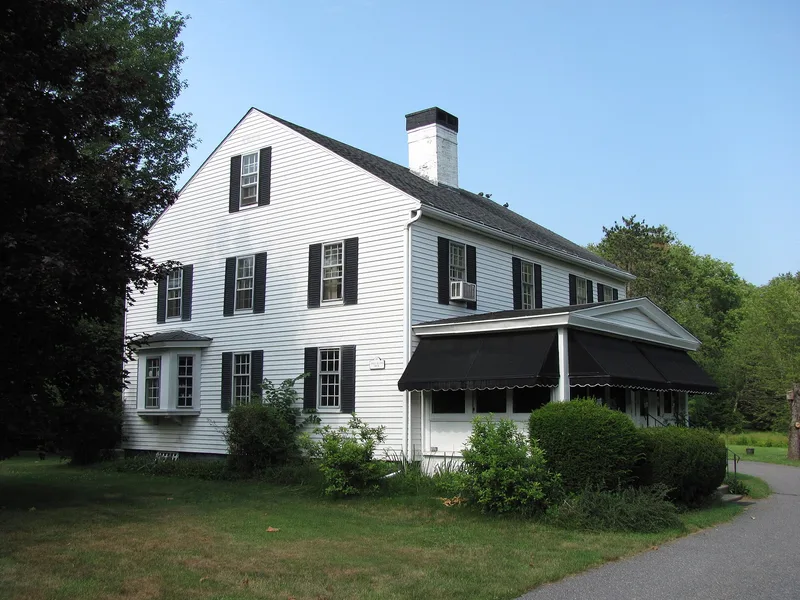
North Village is a small rural settlement along Main Street and Otis Street in Lancaster, Massachusetts, about a mile north of the town center. Twenty-two buildings make up the district, including twenty-one private residences and a former tavern now divided into apartments. Settlement began in 1717 when Captain John Bennett built his house, which later served as an inn, a tavern and, after 1830, a station on the underground railroad. The area, once called Union Village, grew quickly after about 1800 and supported a tannery, store, machine shop, inn and tavern. Most houses were built before 1900 and are wood frame with clapboard siding, multiple-paned windows and shutters. Their vernacular designs carry Federal and Greek Revival details. Three later buildings, from the 1900s and 1920s, include a store and a house. The district was listed for the age and unified character of its buildings and its rural setting.
Machine-generated summary. This summary was generated by a language model from the official nomination document and has not been reviewed line by line by an editor. It may contain errors. Check the source document before relying on any detail. Source: nomination document (PDF) · catalog entry. Generated October 2026 (model claude-sonnet-5-5, prompt v1.0-2026-10-29).
| Period of significance | 1700-1799, 1800-1899, 1900- |
|---|---|
| Styles | Vernacular with Federal and Greek Revival details |
| Areas of significance | Architecture |
| Acreage | 41 |
| Boundary source | NPS cultural-resource GIS polygon |
| Full listing page | North Village Historic District (property record) |
What listing means for this property
This is a historic district. Buildings within its boundary are either contributing (they add to the district's significance) or non-contributing. Owners of contributing income-producing buildings can claim the 20% federal rehabilitation tax credit; homeowners should look at state credits. National Register districts impose no design review by themselves; a local historic district ordinance, if one exists, does (the difference explained).
General information, not legal or tax advice. Rules change; confirm with your State Historic Preservation Office or a qualified adviser.