North Avenue Rural Historic District

Why it's listed
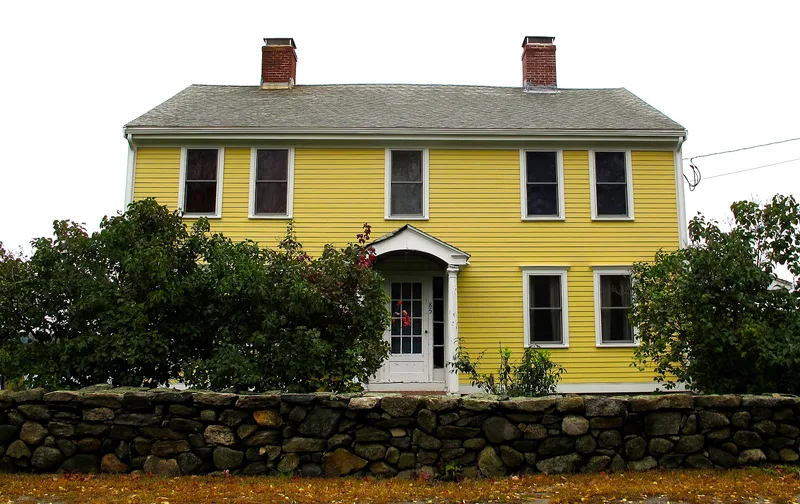
North Avenue Rural Historic District covers 345 acres in the hilltop farming town of Mendon, Massachusetts. Eight historic farms line the ridge and slope down toward the Muddy Brook, and nearly all keep the boundaries recorded in the mid-19th century. The district counts 62 contributing resources, among them farmhouses, barns, fields, woods, marshes and stone walls. The ridge was the site of Mendon's earliest homestead divisions, and the long, narrow lots running from the road to the brook still reflect that pattern. Houses range from 18th-century dwellings, such as the Seth Davenport house, through Federal and Greek Revival farmhouses to an Italianate house of the 1850s and early 20th-century homes. The Davenport family held much of the land through the 19th century. Surrounding areas have been heavily subdivided, which makes this stretch of preserved farmland unusual. It records how Mendon's settlement, buildings and agriculture developed from the late 1600s into the 20th century.
Machine-generated summary. This summary was generated by a language model from the official nomination document and has not been reviewed line by line by an editor. It may contain errors. Check the source document before relying on any detail. Source: nomination document (PDF) · catalog entry. Generated October 2026 (model claude-sonnet-5-5, prompt v1.0-2026-10-29).
| Styles | Federal, Greek Revival, Italianate, Colonial Revival |
|---|---|
| Areas of significance | Agriculture, Architecture, Community Planning and Development, Exploration/Settlement |
| Acreage | 345 |
| Boundary source | NPS cultural-resource GIS polygon |
| Full listing page | North Avenue Rural Historic District (property record) |
What listing means for this property
This is a historic district. Buildings within its boundary are either contributing (they add to the district's significance) or non-contributing. Owners of contributing income-producing buildings can claim the 20% federal rehabilitation tax credit; homeowners should look at state credits. National Register districts impose no design review by themselves; a local historic district ordinance, if one exists, does (the difference explained).
General information, not legal or tax advice. Rules change; confirm with your State Historic Preservation Office or a qualified adviser.