Montvale

Why it's listed
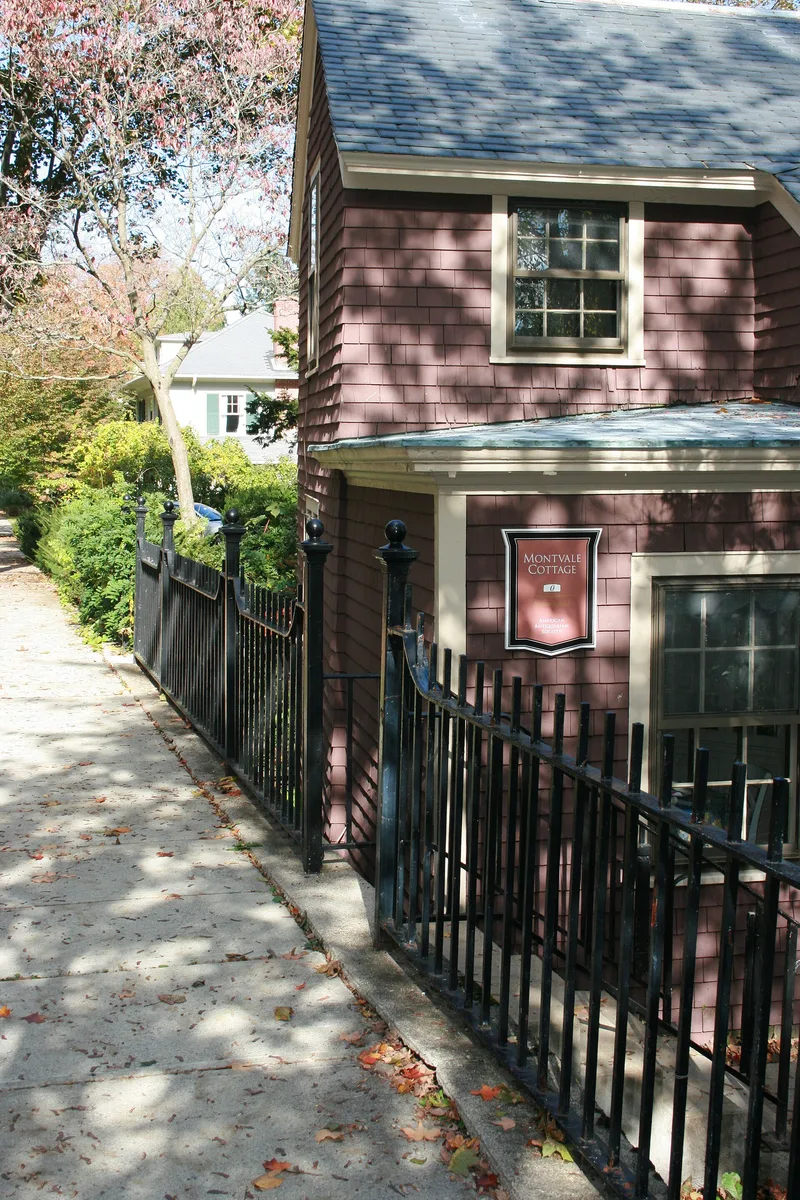
Montvale is a residential neighborhood on the West Side of Worcester, laid out in 1897 as a subdivision of 73 house lots by the real estate developers H. Ballard and M.O. Wheelock. Before then the land held little more than a Greek Revival house built around 1851 for boot and shoe dealer George Dresser, along with a stable and outbuildings. The new lots filled with houses of high quality in the Queen Anne, Shingle, Colonial Revival, Arts & Crafts and Neo-Tudor styles. Notable examples include 254 Salisbury Street, designed by George Clemence, and 11 Monadnock Road, home of the architect Clellan Fisher. The firm Earle & Fisher designed several houses and the 1898 additions to the Dresser house. Later building on the eastern half brought Arts & Crafts and Neo-Tudor designs. The houses remain well preserved, and the curving, tree-lined streets and hillside setting keep the character of an upper-class suburb from before World War I.
Machine-generated summary. This summary was generated by a language model from the official nomination document and has not been reviewed line by line by an editor. It may contain errors. Check the source document before relying on any detail. Source: nomination document (PDF) · catalog entry. Generated October 2026 (model claude-sonnet-5-5, prompt v1.0-2026-10-29).
| Period of significance | 1851, 1897-1920 |
|---|---|
| Styles | Mixed Victorian and early 20th century: Queen Anne, Colonial Revival, Shingle Style, Arts & Crafts/Neo-Tudor, Greek Revival, Eclectic |
| Areas of significance | Architecture |
| Acreage | 4 |
| Boundary source | NPS cultural-resource GIS polygon |
| Full listing page | Montvale (property record) |
What listing means for this property
This is a historic district. Buildings within its boundary are either contributing (they add to the district's significance) or non-contributing. Owners of contributing income-producing buildings can claim the 20% federal rehabilitation tax credit; homeowners should look at state credits. National Register districts impose no design review by themselves; a local historic district ordinance, if one exists, does (the difference explained).
General information, not legal or tax advice. Rules change; confirm with your State Historic Preservation Office or a qualified adviser.