Lancaster Industrial School for Girls

Why it's listed
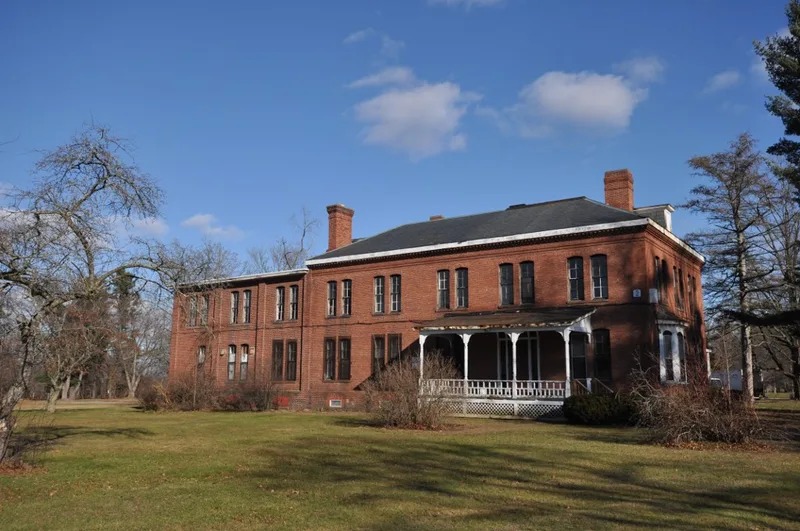
Lancaster Industrial School for Girls occupies a landscaped campus southeast of Lancaster center, between Old Common Road and Still River Road. Established in April 1854 with a $20,000 legislative appropriation, it is described as the first girls' training school in the United States and the first in the world to give girls individual rooms instead of dormitory beds. The aim was less vocational than the healing of emotional troubles among girls the courts classed as delinquent, and life ran on honor principles. The district includes eight brick cottages, the first being Fay Cottage of 1855, along with a chapel, barn, shops and an infirmary. Three clapboard farmhouses from the late eighteenth century, such as the Thomas Safford House and the Abner Pollard House, were acquired for residences and offices. The land was once the town common, site of a 1705 meeting house, and was called Bridecake Plain. The grounds still serve penal and community programs.
Machine-generated summary. This summary was generated by a language model from the official nomination document and has not been reviewed line by line by an editor. It may contain errors. Check the source document before relying on any detail. Source: nomination document (PDF) · catalog entry. Generated October 2026 (model claude-sonnet-5-5, prompt v1.0-2026-10-29).
| Period of significance | 1900- (the box checked on the form; the text describes events from 1854 onward) |
|---|---|
| Styles | Federal farmhouses and Italianate brick cottages |
| Areas of significance | Education, Architecture, Social History |
| Acreage | 70 |
| Boundary source | NPS cultural-resource GIS polygon |
| Full listing page | Lancaster Industrial School for Girls (property record) |
What listing means for this property
This is a historic district. Buildings within its boundary are either contributing (they add to the district's significance) or non-contributing. Owners of contributing income-producing buildings can claim the 20% federal rehabilitation tax credit; homeowners should look at state credits. National Register districts impose no design review by themselves; a local historic district ordinance, if one exists, does (the difference explained).
General information, not legal or tax advice. Rules change; confirm with your State Historic Preservation Office or a qualified adviser.