Ipswich Mills Historic District

Why it's listed
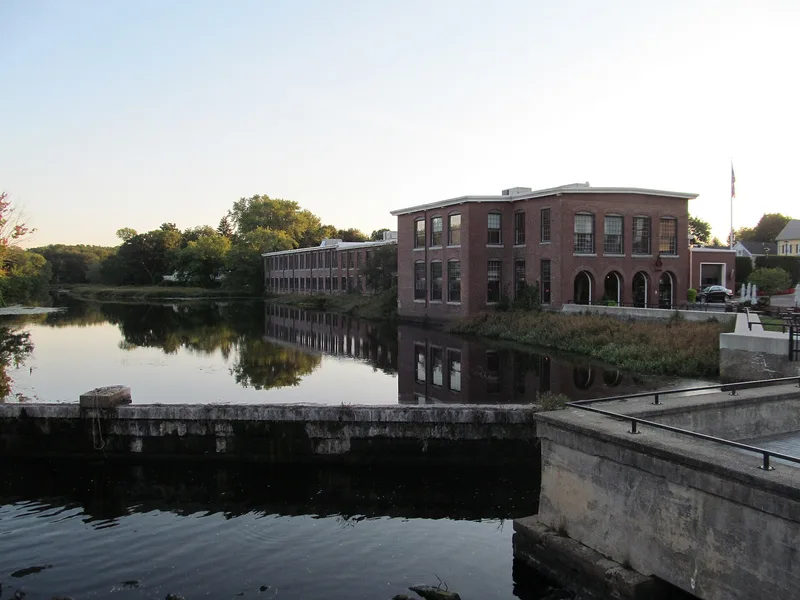
Ipswich Mills Historic District is an industrial neighborhood on the Ipswich River south of the town center, locally called the Alley or Pole Alley. Red brick mill buildings with simple Italianate details form its gateway, the oldest dating to 1880 and housing the former yarn mill. Behind them, wood-frame tenements, company-built single and duplex houses, and a few earlier homes line a tight grid of small lots. Former stores, halls and social clubs along Estes and Peatfield Streets show how self-sufficient the neighborhood was in the early twentieth century. The mill company employed about 800 workers in 1904 and about 1,500 by 1917, many of them immigrants who lived in company housing. Demolitions in the 1970s removed the knitting mill, box shop and machine shop, and many houses have gained modern siding. Even so, the district keeps its scale, form and layout as a record of Ipswich's hosiery industry. The site of the Whipple House, a ca. 1655 dwelling moved in 1927, is also included.
Machine-generated summary. This summary was generated by a language model from the official nomination document and has not been reviewed line by line by an editor. It may contain errors. Check the source document before relying on any detail. Source: nomination document (PDF) · catalog entry. Generated October 2026 (model claude-sonnet-5-5, prompt v1.0-2026-10-29).
| Styles | Mid 19th Century Greek Revival; Late Victorian Italianate/Second Empire; Other/No Style, Dutch Colonial Revival |
|---|---|
| Areas of significance | Architecture, Industry, European |
| Acreage | 20 |
| Boundary source | NPS cultural-resource GIS polygon |
| Full listing page | Ipswich Mills Historic District (property record) |
What listing means for this property
This is a historic district. Buildings within its boundary are either contributing (they add to the district's significance) or non-contributing. Owners of contributing income-producing buildings can claim the 20% federal rehabilitation tax credit; homeowners should look at state credits. National Register districts impose no design review by themselves; a local historic district ordinance, if one exists, does (the difference explained).
General information, not legal or tax advice. Rules change; confirm with your State Historic Preservation Office or a qualified adviser.