Heath Center Historic District

Why it's listed
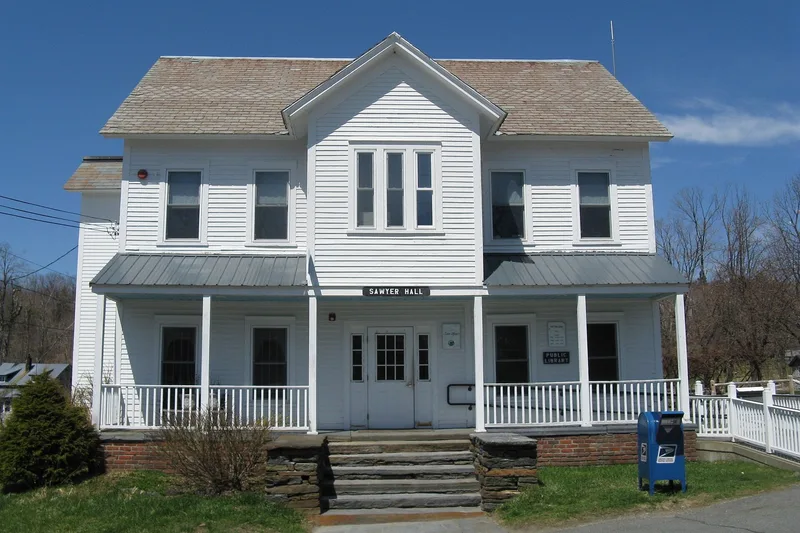
Heath Center is the historic core of a rocky, hilly town in the Berkshire foothills of northern Franklin County, Massachusetts. The district centers on the town common, laid out in 1787 for the first meetinghouse, and also takes in a two-acre cemetery with stones from 1799 onward, churches, a town house, and many homes and farmsteads. Federal-style houses are the best represented, often 2½ stories with center chimneys, among them the Maxwell, Strong, Gould and Rugg houses and the Center's only brick house, built in 1804. Later Greek Revival, Italianate, Queen Anne and Colonial Revival buildings reflect continued use of the Center. The district's story is tied to its geography. Heath peaked at about 1,200 residents around 1832, then lost nearly half its population because the high elevation limited farming, there was little waterpower, and no railroad arrived. That slow decline helped preserve much of the early fabric. The district includes 75 contributing resources.
Machine-generated summary. This summary was generated by a language model from the official nomination document and has not been reviewed line by line by an editor. It may contain errors. Check the source document before relying on any detail. Source: nomination document (PDF) · catalog entry. Generated October 2026 (model claude-sonnet-5-5, prompt v1.0-2026-10-29).
| Styles | Federal; Greek Revival; Gothic Revival; Italianate; Queen Anne; Colonial Revival; Bungalow/Craftsman |
|---|---|
| Areas of significance | Agriculture, Architecture, Religion, Community Planning and Development |
| Acreage | 84.5 |
| Boundary source | NPS cultural-resource GIS polygon |
| Full listing page | Heath Center Historic District (property record) |
What listing means for this property
This is a historic district. Buildings within its boundary are either contributing (they add to the district's significance) or non-contributing. Owners of contributing income-producing buildings can claim the 20% federal rehabilitation tax credit; homeowners should look at state credits. National Register districts impose no design review by themselves; a local historic district ordinance, if one exists, does (the difference explained).
General information, not legal or tax advice. Rules change; confirm with your State Historic Preservation Office or a qualified adviser.